फीचर
Brown Bears: Characteristics and Differences Across Regions
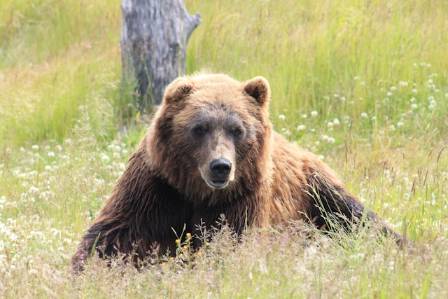
Brown bears (Ursus arctos) are easily recognized by several distinctive physical features, including a noticeable shoulder hump, a concave-shaped face, and long, powerful claws. Their fur color can range widely, from nearly black to light blonde shades.
Nicholas Evans
संपादकीय डेस्क
संपादक की टिप्पणी
पूरा लेख नीचे जारी है।
सेक्शन
समाज और ट्रेंड
Brown bears (Ursus arctos) are easily recognized by several distinctive physical features, including a noticeable shoulder hump, a concave-shaped face, and long, powerful claws. Their fur color can range widely, from nearly black to light blonde shades.
Also known as grizzly bears in some regions, brown bears inhabit many national parks across North America. The term “grizzly” generally refers to brown bears that live in inland areas, while coastal populations are usually called brown bears. Although they belong to the same species, brown bears can differ greatly in body size, fur color, eating habits, and seasonal behavior depending on where they live.
The environment plays a major role in shaping a bear’s lifestyle. Available food sources, climate, and habitat conditions influence everything from their diet to their winter survival strategies. Comparing Yellowstone’s grizzly bears with Alaska’s brown bears reveals how location affects these remarkable animals.
What Do Brown Bears Eat?
Brown bears are omnivores with a flexible diet that includes plants, berries, fish, insects, and small animals. Their strong shoulders and long claws help them dig for roots, search for insects, gather vegetation, and capture prey.
These bears are highly intelligent and adaptable when looking for food. However, when bears receive food from humans, they may begin to connect people with an easy food source, creating dangerous situations for both humans and wildlife. Never feed bears, and always follow proper food storage and wildlife safety practices to help keep them wild.
Diet of Yellowstone Grizzly Bears
Grizzly bears living in Yellowstone National Park consume a wide variety of foods. They are capable hunters and may prey on animals such as young elk, spawning trout, small mammals, and insects. Their powerful forelimbs and large claws allow them to dig efficiently while searching for underground food.
Plants make up an important part of their diet as well. Yellowstone grizzlies eat pine seeds, berries, grasses, glacier lilies, roots, bulbs, tubers, and dandelions. During autumn, seeds from whitebark pine trees become an especially valuable food source. Declines in whitebark pine caused by disease and environmental changes may affect grizzly reproduction and cub survival.
Grizzly bears also take advantage of available animal remains, feeding on carcasses from elk, bison, or animals killed by vehicles. Preparing for winter requires large amounts of food, and these bears may consume around 30 pounds of food each day while building up fat reserves.
Diet of Alaskan Brown Bears
Alaskan brown bears are among the largest members of the species and require enormous amounts of food to maintain their size. During summer and fall, they may consume between 80 and 90 pounds of food daily, gaining several pounds of body fat each day to prepare for winter.
These bears are opportunistic feeders and will eat nearly any available food source. Their diet includes berries, flowers, grasses, herbs, and roots. They also obtain protein from animals such as beavers, deer, caribou, salmon, small mammals, and carrion.
The abundance of salmon and other rich food sources in Alaska allows these bears to grow much larger than many inland populations.
Winter Dens and Hibernation
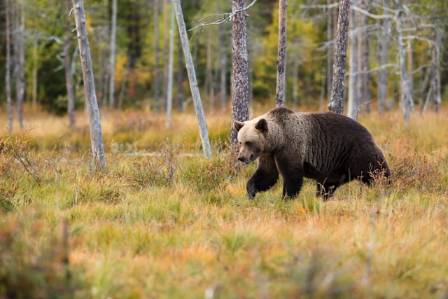
Most brown bears spend the winter months inside dens to escape harsh weather and limited food availability. During this period, their body temperature, breathing rate, and heart rate decrease. The fat stored during warmer months provides the energy they need to survive.
Winter Dens of Yellowstone Grizzlies
Yellowstone grizzly bears usually enter their winter dens between October and December as temperatures begin to fall. Many remain inside throughout the winter, especially females caring for cubs, although some bears may briefly leave their dens to search for food.
Pregnant females typically give birth during the winter months, usually around January or February. The mother and cubs stay protected inside the den while the cubs nurse and grow until spring arrives.
Winter Dens of Alaskan Brown Bears
In colder regions of Alaska, brown bears may hibernate for five to eight months. However, bears living in milder coastal areas may remain active throughout winter.
Pregnant Alaskan brown bears give birth while inside their dens. Like Yellowstone grizzly cubs, young bears spend the winter feeding on their mother’s milk and gaining strength before emerging in spring. Most bears leave their dens around April or May.
Brown Bear Life Cycle
Adult brown bears usually live alone, except during breeding season or when food sources bring many bears together. The general life cycle of brown bears is similar in both Yellowstone and Alaska.
Females typically begin reproducing between four and six years old. Mating season occurs from mid-May through July, and females may mate with multiple males during this period.
When a female enters her winter den, embryo development begins. After approximately eight weeks, usually in January or February, cubs are born.
A mother bear usually gives birth to one to three cubs, although larger litters can occasionally occur. Newborn cubs are extremely small, hairless, and may weigh less than half a pound. They spend the winter inside the den, staying warm while nursing from their mother.
By spring, the cubs have grown considerably and typically weigh between four and eight pounds. The mother and cubs then leave the den together to search for food.
Male grizzly bears do not participate in raising cubs and may even pose a danger to young bears. Because of this, mothers are highly protective of their offspring. Cubs remain with their mothers for about two years, learning important survival skills before becoming independent. After two or three years, female bears are usually ready to reproduce again.
संबंधित कहानियाँ

2023's Hottest Formal Dress Trends
In the ever-evolving realm of fashion, the landscape of formal dresses in Australia is no stranger to transformation. Each passing year ushers in a wave of fresh styles, materials, and designs that captivate the discerning tastes of our fashion-forward clientele, preparing for their formal affairs. Here at House of Troy, we are thrilled to unveil an exciting array of trends that epitomize elegance, innovation, and individuality. Whether you're gracing a gala, a wedding, or a prom, we are here to walk you through the paramount trends that are currently dominating the Australian evening gown scene.
और पढ़ें »
अपनी स्कीइंग तकनीक सुधारने के लिए 3 सुझाव: इंटरमीडिएट्स
क्या आप जानते हैं कि अपनी आँखें बंद करके और नीली ढलानों को धुंधला होते हुए स्नोप्लो के साथ स्की कैसे की जाती है? अगर ऐसा है, तो अब समय आ गया है कि आप अपने गियर को बदलें क्योंकि स्की करना सीखना यहीं खत्म नहीं होता! आप खुद को उन्नत स्कीयर के लिए तकनीकें सिखा सकते हैं या अपनी अगली स्कीइंग छुट्टी के लिए उन्नत स्कीइंग कोर्स के बारे में पूछताछ कर सकते हैं।
और पढ़ें »
ओशकोश—दुनिया का सबसे बड़ा एयर शो एविएशन प्रशंसकों के लिए एक मक्का है
हर साल एक बार, दुनिया भर के पायलट अपने अनुभवी विमान, स्पोर्ट्स प्लेन और घर में बने विमानों को उड़ान के आनंद का जश्न मनाने के लिए विस्कॉन्सिन, यू.एस. लाते हैं।
और पढ़ें »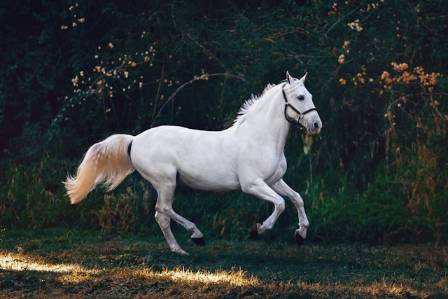
Fascinating Insights Into the World of Horses
Individuals who spend time at animal sanctuaries often discover that horses possess intricate personalities and unique behaviors. While many people admire these animals from a distance, the depth of their individuality is truly remarkable. Horses are sentient beings with a variety of surprising traits that demonstrate their intelligence and emotional complexity.
और पढ़ें »
Best Designer Evening Dresses
The finest designer evening dresses bring together exceptional workmanship, luxurious materials, and graceful silhouettes that remain stylish beyond passing trends. Their appeal lies not only in their striking appearance but also in their precise tailoring, thoughtful construction, and carefully finished details.
और पढ़ें »
रंगीन घर की सजावट के लिए गाइड: इंटीरियर में रंगों का उपयोग कैसे करें?
रंगीन घर की सजावट व्यक्तित्व और साहस का प्रतीक है – इसके अलावा, रंग किसी भी इंटीरियर के मूड को बढ़ाने के लिए एक शक्तिशाली उपकरण हैं। यह जानने के लिए पढ़ते रहें कि इंटीरियर में रंगों का उपयोग कैसे करें। काले और सफेद को भूल जाएं! अपने प्रोजेक्ट को अधिक व्यक्तित्व, साहस और अच्छी भावनाओं के साथ बढ़ावा देने के लिए एक रंगीन घर की सजावट का स्वागत करें। कैसे? आप इस गाइड में यह खोजेंगे; इंटीरियर में रंगों का उपयोग कैसे करें, यह जानने के लिए पढ़ते रहें।
और पढ़ें »