फीचर
Ceramic Creators: Modern Methods and Creative Visions
Clay has served as a cornerstone of artistic creation for millennia, acting as a bridge between ancient utility and modern sculpture.
David Brown
संपादकीय डेस्क
संपादक की टिप्पणी
पूरा लेख नीचे जारी है।
सेक्शन
समाज और ट्रेंड
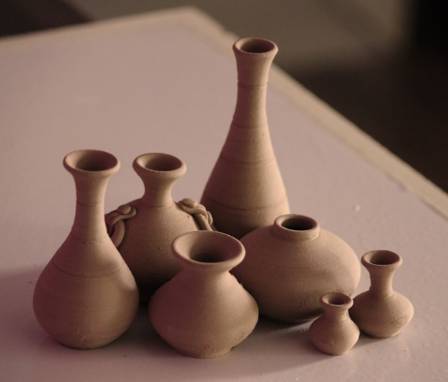
Clay has served as a cornerstone of artistic creation for millennia, acting as a bridge between ancient utility and modern sculpture. Elite practitioners of the craft have utilized its adaptable nature to produce everything from delicate vessels to bold, abstract monuments. Iconic figures like Peter Voulkos, who spearheaded the studio pottery movement, and Magdalene Odundo, celebrated for her elegant hand-formed silhouettes, have pushed the medium far beyond its traditional roots. These creators have transitioned clay from a purely functional craft into a prestigious fine art, merging historical techniques with fresh innovation to produce influential masterpieces.
The Progression of Ceramic Expression
Modern clay specialists are leading a movement that turns a heritage-heavy craft into a sophisticated art form, challenging the limits of the material. By physically molding stories from raw earth, these artists use the medium to navigate complex topics such as political landscapes, personal identity, and social history. In the contemporary era, clay has shifted from being a resource for household objects to a potent vehicle for intellectual and artistic communication.
Beyond individual vision, ceramics hold profound historical and cultural weight. The medium’s legacy spans across diverse eras and regions, with every artifact preserving a unique record of its time. Creators throughout history have redefined the medium by introducing daring methods and avant-earth concepts. As ceramics gain status in high art circles, their influence on society grows, engaging viewers through immersive installations and statuesque vessels that bridge the gap between cultural aesthetics and modern debate.
Ancient Foundations and Early Sculptures
The earliest instances of human artistic drive can be found in ancient pottery, with clay relics surfacing as far back as 7000 BCE in the Middle East. These objects were more than just tools for survival; they were embodiments of spiritual and social customs. Civilizations in Egypt, Mesopotamia, and the Indus Valley produced highly decorative wares that often played central roles in burial customs or religious ceremonies. Because clay is remarkably durable, these artifacts have provided historians with essential data regarding the belief systems and daily routines of early human societies.
The Lasting Legacy of Traditional Methods
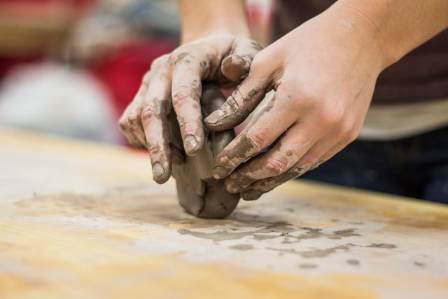
Classic techniques like wheel-throwing and hand-building remain vital to the medium. These processes require intense discipline and technical mastery, often passed down through generations of artisans. Over centuries, the evolution of firing and glazing has radically altered both the utility and the visual appeal of clay work. Eastern practices, particularly those from China and Japan, have had a massive impact on Western styles. Many contemporary artists find that these traditional methods provide a connection to collective memory, allowing them to fuse ancestral heritage with 21st-century aesthetics.
Trends in Modern and Contemporary Ceramics
In recent decades, ceramic art has moved decisively into the world of fine art and conceptual sculpture. Artists are constantly experimenting with surface texture and structural integrity, moving past the constraints of functional pots. Current works often integrate mixed media and tackle global themes like environmental change, digital technology, and individual identity. Galleries and museums worldwide now host major exhibitions dedicated to these innovative works, ensuring that the dialogue between historical roots and future visions remains a central part of the art world.
Iconic Figures and Artistic Movements
Influential ceramicists have been instrumental in bridging the gap between craft and high art. George Ohr, known as a radical figure in the late 19th century, challenged the status quo with his eccentric and paper-thin forms. Similarly, Lucie Rie introduced a modernist sensibility to the craft, producing sleek, sophisticated pieces that earned her a place among the most respected artists of the 20th century.
Other innovators, such as Robert Arneson, used ceramics for satire and social critique, becoming a central figure in the Funk Art movement. In the contemporary sphere, Grayson Perry utilizes traditional vase forms to explore provocative narratives surrounding society and identity. These artists demonstrate that clay is a superlative medium for storytelling. Meanwhile, the legendary Bernard Leach facilitated a cross-cultural exchange between Eastern and Western pottery philosophies, a legacy continued today by artists like Magdalene Odundo, whose work synthesizes African, Asian, and European influences.
Materials and Technical Mastery
The creation of ceramic art depends on a deep understanding of geological materials and chemical processes. The choice of clay—whether it be translucent porcelain, rugged stoneware, or porous earthenware—dictates the strength and final look of the piece. Porcelain is often favored for delicate work, while stoneware’s durability makes it perfect for functional items.
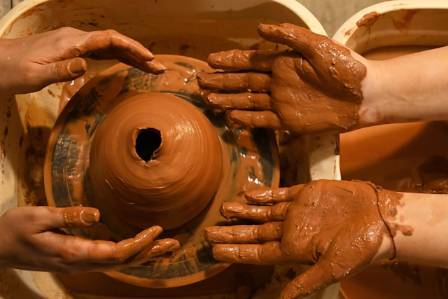
The transformation of raw clay is completed through glazing and firing. Glazing involves applying a liquid mineral layer that turns into glass when heated, providing both protection and color. Firing is a delicate balance of temperature and atmosphere; low-fire methods often yield more vibrant hues, while high-fire cycles ensure structural density. Artists choose between the tactile, slow process of hand-building or the rapid, symmetrical precision of wheel-throwing to achieve their specific goals.
The Societal Impact of Clay Art
Clay art remains relevant by addressing modern challenges and fostering community connections. As a natural and abundant resource, clay is a primary medium for ecologically minded creators. Sustainable pottery involves using local materials and energy-efficient firing to minimize the environmental footprint. Many artists use their work to comment on biodiversity and the fragility of the natural world.
Educationally, pottery serves as a unique intersection of history, physics, and chemistry. Community studios provide a vital space for collaboration and shared purpose, allowing people from all walks of life to connect through a common craft. Furthermore, ceramics continue to be a primary marker of cultural identity. From the highly codified aesthetics of the Japanese tea ceremony to the integration of traditional motifs in modern sculpture, clay remains a dynamic medium through which values and heritage are preserved and expressed.
संबंधित कहानियाँ
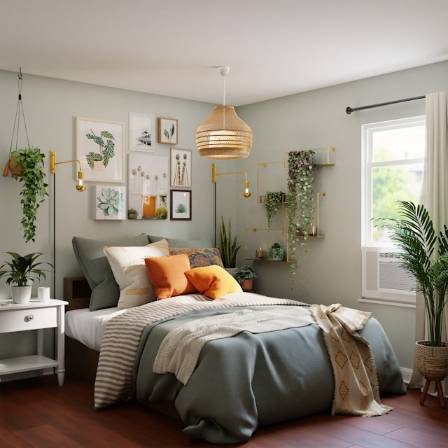
From Popcorn Machine Mishaps to Dreamy Retreats: 5 Proven Hacks to Maximize Small Bedrooms
Years back, I worked with a client who requested a popcorn maker be installed directly next to their bed. The buttery aroma was a delight at first—until it started disrupting sleep night after night. Talk about a lesson learned! Designing compact bedrooms forces you to think outside the box, and today I’m sharing five tried-and-ttrue decorating strategies from my real-world projects that can turn even the tiniest sleeping spaces into spacious, welcoming personal retreats. No popcorn machines included—promise.
और पढ़ें »
Top 10 Expert Tips for Perfect Homemade Muffins Every Time
Muffins are one of the easiest baked goods to whip up, but creating moist, fluffy, bakery-style muffins takes more than just mixing ingredients. Whether you're baking a classic blueberry muffin or experimenting with new flavors, these helpful tips will guide you to better results every time.
और पढ़ें »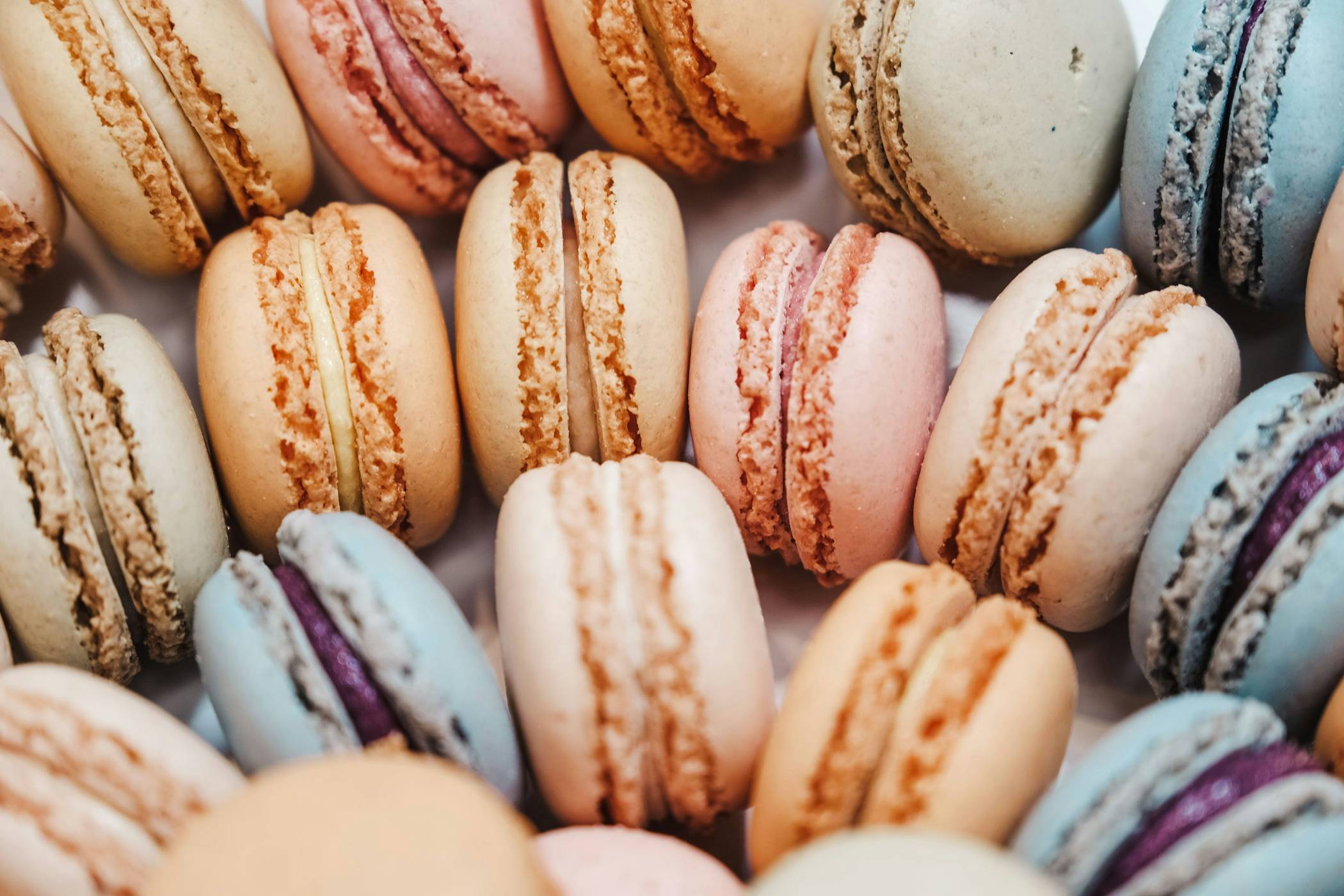
दुनिया के 3 सबसे स्वप्निल मैकरॉन (हां, वे इतने अच्छे हैं)
नाज़ुक, रंगीन, और खाने के लिए लगभग बहुत सुंदर—मैकरॉन छोटे कृतियाँ हैं जो मिठाई और कला के बीच की रेखा को धुंधला कर देती हैं। उस चमकदार खोल के नीचे एक चबाने योग्य, बादल जैसी चबाई छुपी होती है, जो एक साधारण पल को कुछ अविस्मरणीय में बदल सकती है।
और पढ़ें »
शूटिंग सितारों का विज्ञान
पृथ्वी को हर दिन लाखों बिट्स कॉस्मिक मलबे द्वारा बमबारी की जाती है। यहां विभिन्न प्रकारों के बीच अंतर कैसे किया जाए
और पढ़ें »
धीमी जीवनशैली क्या है?
स्लो लिविंग एक नया ट्रेंड नहीं है। जिस समाज को हम आज जानते हैं—पूंजीवादी और उपभोक्तावादी—उसके निर्माण से पहले, लोग सदियों से धीमी गति से जीवन जी रहे थे। हम सिर्फ यह भूल गए कि यह कैसे किया जाता है। महामारी के बाद, हमने दुनिया भर में कुछ घटनाओं को फैलते हुए देखा है। उदाहरण के लिए, लोगों ने ऑफिस वापस जाने से इनकार कर दिया या यह तय किया कि शहरी जीवन उनके लिए नहीं है। कुछ ने महसूस किया कि 9 से 5 की नौकरी उन्हें दुखी कर रही थी—इस प्रकार, 'ग्रेट रिज़िग्नेशन' ट्रेंड आया। लेकिन अब क्यों?
और पढ़ें »
Stargazing on Bonfire Night
Every year, there is one evening when people are almost certain to leave their televisions behind and venture outside after dark: 5 November, Bonfire Night.
और पढ़ें »