फीचर
What's that Weed? Dollarweed!
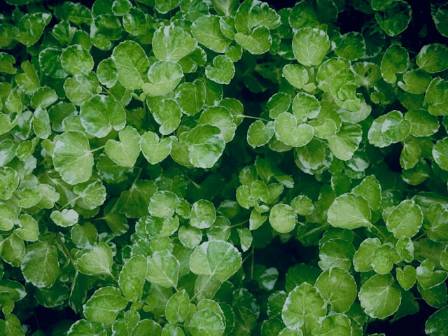
Dollarweed, often called pennywort, is a warm-season perennial broadleaf weed that commonly appears in lawns and turf areas. It belongs to the parsley family and includes several related species, such as marsh pennywort, coastal plain pennywort, many-flowered pennywort, and whorled pennywort.
Vivian Carter
संपादकीय डेस्क
संपादक की टिप्पणी
पूरा लेख नीचे जारी है।
सेक्शन
समाज और ट्रेंड
Dollarweed, often called pennywort, is a warm-season perennial broadleaf weed that commonly appears in lawns and turf areas. It belongs to the parsley family and includes several related species, such as marsh pennywort, coastal plain pennywort, many-flowered pennywort, and whorled pennywort.
This weed spreads through multiple methods, including rhizomes, seeds, and underground tuber-like structures. Rhizomes are horizontal underground stems that continue growing and produce new shoots and roots along their length, making dollarweed highly effective at spreading once established.
Where Dollarweed Grows
Dollarweed can invade many types of turfgrass found throughout North America, especially in warmer southern regions. It prefers hot, humid environments and is particularly common in areas of the southern United States.
In places such as southern Florida, dollarweed can quickly dominate St. Augustine grass lawns. It usually becomes a problem in thin or weakened turf where growing conditions favor weed development.
Common areas where dollarweed appears include poorly maintained residential lawns, golf course fairways and rough areas, athletic fields, recreational spaces, and industrial landscapes.
This weed often develops in locations with excessive moisture, including overwatered lawns, damp soil, and areas with poor drainage.
The size of dollarweed leaves can change depending on mowing practices. Frequent mowing may keep leaves as small as about 1 cm wide, while plants left unmowed can develop leaves measuring 6 to 10 cm across. This difference is often noticeable in golf course turf management.

How to Identify Dollarweed
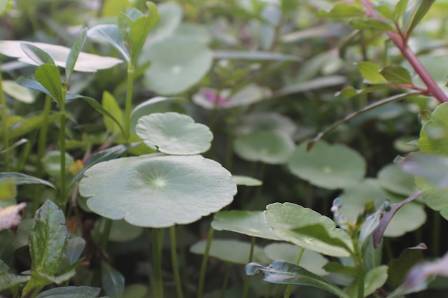
Dollarweed grows close to the ground and is easy to recognize by its bright green, shiny, round leaves with wavy or scalloped edges. The leaf shape resembles a small lily pad, and some leaves can become as large as a silver dollar, which explains the plant’s common name.
The leaf stalk, known as the petiole, is long and narrow and connects directly to the center of the leaf. This creates a distinctive umbrella-like appearance.
During summer, dollarweed produces clusters of small white flowers. These blooms grow at the end of tall stalks and may appear as elongated spikes or rounded umbrella-shaped groups called umbels.
The fruit is green, round, and slightly flattened in appearance.
Dollarweed can sometimes be mistaken for dichondra. The easiest way to tell them apart is by looking at the leaf stalk. Dollarweed has a petiole attached in the middle of the leaf, while dichondra has a petiole connected to the edge of its kidney-shaped leaves.
Growing Season
Dollarweed usually begins appearing in early summer and can survive for up to two years. Its ability to spread through underground rhizomes allows it to persist and return year after year if conditions remain favorable.
How to Manage Dollarweed
Because dollarweed spreads through rhizomes, eliminating it completely can be challenging once it becomes established. The most effective approach combines proper lawn care practices with targeted control methods.
The first step is reducing unnecessary irrigation. Dollarweed thrives in wet conditions, while most healthy turfgrass can tolerate less water than this moisture-loving weed requires.
Maintaining a thick, vigorous lawn with strong roots is another important prevention method. Proper fertilization, regular maintenance, and good turf health can reduce open spaces where dollarweed can spread.
Correct mowing practices are also essential. Always maintain the recommended mowing height for your specific grass type and avoid cutting the lawn too short, as scalping weakens turf and creates opportunities for weeds to invade.
Proper aeration and thatch control can also improve soil conditions and help prevent dollarweed from establishing in lawns.
Chemical Control for Severe Infestations
For heavy dollarweed problems, a post-emergent herbicide containing the active ingredient Penoxsulam can provide effective control. This herbicide targets dollarweed along with several other broadleaf weeds.
The best time to apply post-emergent treatments is during spring. Avoid using herbicides during extreme summer heat because high temperatures can increase stress on the turfgrass.
After applying the herbicide, avoid mowing or removing the dollarweed immediately. Allow the plant foliage to absorb the treatment so the herbicide can move through the shoots and reach the root system.
Since dollarweed is a persistent weed that can remain difficult to control throughout the growing season, repeat applications may be needed in both spring and fall. Always follow product label instructions carefully when applying treatments.
Before using any herbicide, identify your turfgrass species first. Some active ingredients may damage certain types of lawn grass. Carefully review the product label to confirm that the treatment is suitable for your specific turf variety, or consult a local lawn care professional for guidance on grass identification and weed control.
संबंधित कहानियाँ

फूलों की जलरंग चित्रकला
जलरंगों में फूलों की चित्रकारी करना प्रकृति से जुड़ने का एक सुकूनभरा और संतोषदायक तरीका है। यह आपको धीमा होने, ध्यानपूर्वक निरीक्षण करने और कागज़ पर रंगद्रव्य को बहते हुए देखने के सरल आनंद का अनुभव करने के लिए प्रेरित करता है।
और पढ़ें »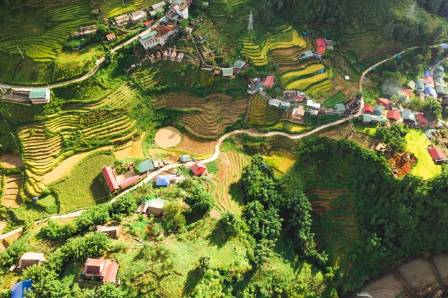
6 Green Destinations for Adventure and Serenity
There’s something innately calming about green landscapes.From Croatia's enchanting lakes to Africa's wild rainforests, these lush getaways promise tranquility alongside unforgettable adventures. Here’s a look at six of the greenest places on Earth that harmoniously blend serene beauty with thrilling exploits.
और पढ़ें »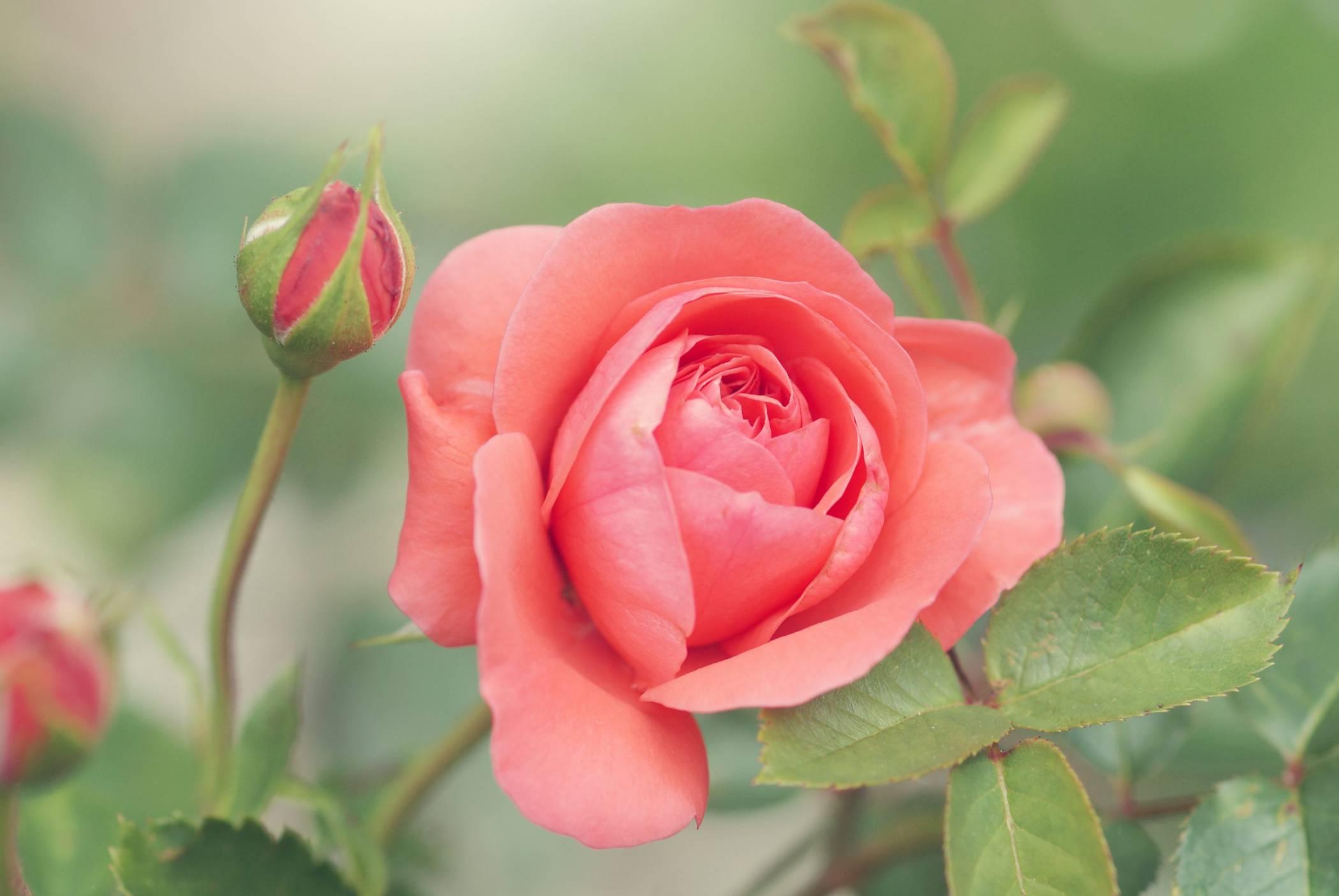
अपने बग़ीचे के लिए गुलाब के 3 प्रकार
गुलाब के विभिन्न प्रकार, जो कि रोसासी परिवार के सदस्य हैं, अब तक के सबसे लोकप्रिय फूलों वाले झाड़ियां हैं जो बागवानी में उपयोग की जाती हैं। रोसा जाति में 300 से अधिक प्रकार के लकड़ी के फूलों वाले बारहमासी पौधे शामिल हैं, और इन प्रजातियों के भीतर कई हजार गुलाब के प्रकारों का विकास किया गया है।
और पढ़ें »
2025 Casual Fashion: Effortless Trends for Today’s Wardrobe
Casual fashion in 2025 is all about ease—clothes that feel as good as they look, with styles that adapt to busy lives without skimping on personality. Gone are the days of overcomplicating everyday outfits; this year, it’s about pieces that work hard, mix seamlessly, and let your individual style shine through without extra effort. From relaxed silhouettes to sustainable fabrics, 2025’s casual trends prioritize comfort, versatility, and a laid-back confidence that fits any occasion.
और पढ़ें »
प्राचीन कलाकृतियाँ आधुनिक वास्तुकला को कैसे प्रेरित कर सकती हैं
हर प्राचीन कलाकृति में एक कहानी होती है। एक ऐसी सभ्यता की कहानी जिसकी अर्थव्यवस्था कभी जीवंत थी और सौंदर्यबोध पैदा करते हुए समस्याओं को हल करने की सरलता।
और पढ़ें »
इतिहास की सर्वश्रेष्ठ कन्वर्टिबल कारें
सड़क, मौसम और आप एक्सेलरेटर को कितनी जोर से दबाते हैं, इसके आधार पर ड्राइविंग आरामदेह या रोमांचकारी महसूस हो सकती है। लेकिन अगर लक्ष्य शुद्ध आनंद है, तो कुछ ही वाहन कन्वर्टिबल जैसा अनुभव दे पाते हैं। वे हमेशा व्यावहारिक नहीं होते, फिर भी खुली हवा, धूप और इंजन की आवाज़ का एहसास स्वतंत्रता की ऐसी भावना पैदा करता है, जिसका पीछा कारों के शौकीनों की पीढ़ियाँ लगातार करती आई हैं।
और पढ़ें »