फीचर
Vanishing Starry Skies
As urban sprawl and white LED lighting intensify, fewer stars remain visible at night. But basic lighting changes can help restore the darkness.
Haruki Murakami
संपादकीय डेस्क
संपादक की टिप्पणी
पूरा लेख नीचे जारी है।
सेक्शन
समाज और ट्रेंड
As urban sprawl and white LED lighting intensify, fewer stars remain visible at night. But basic lighting changes can help restore the darkness.
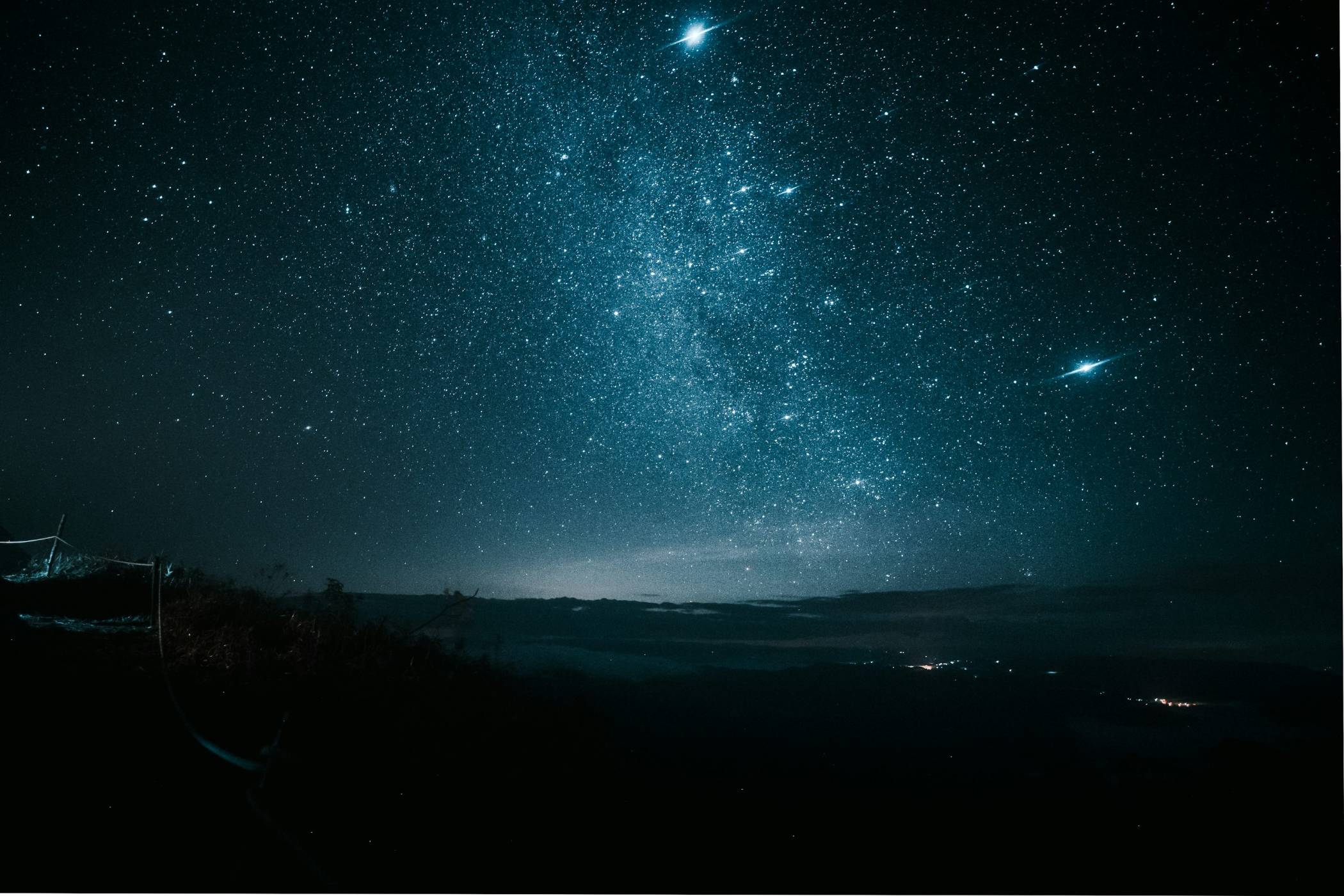
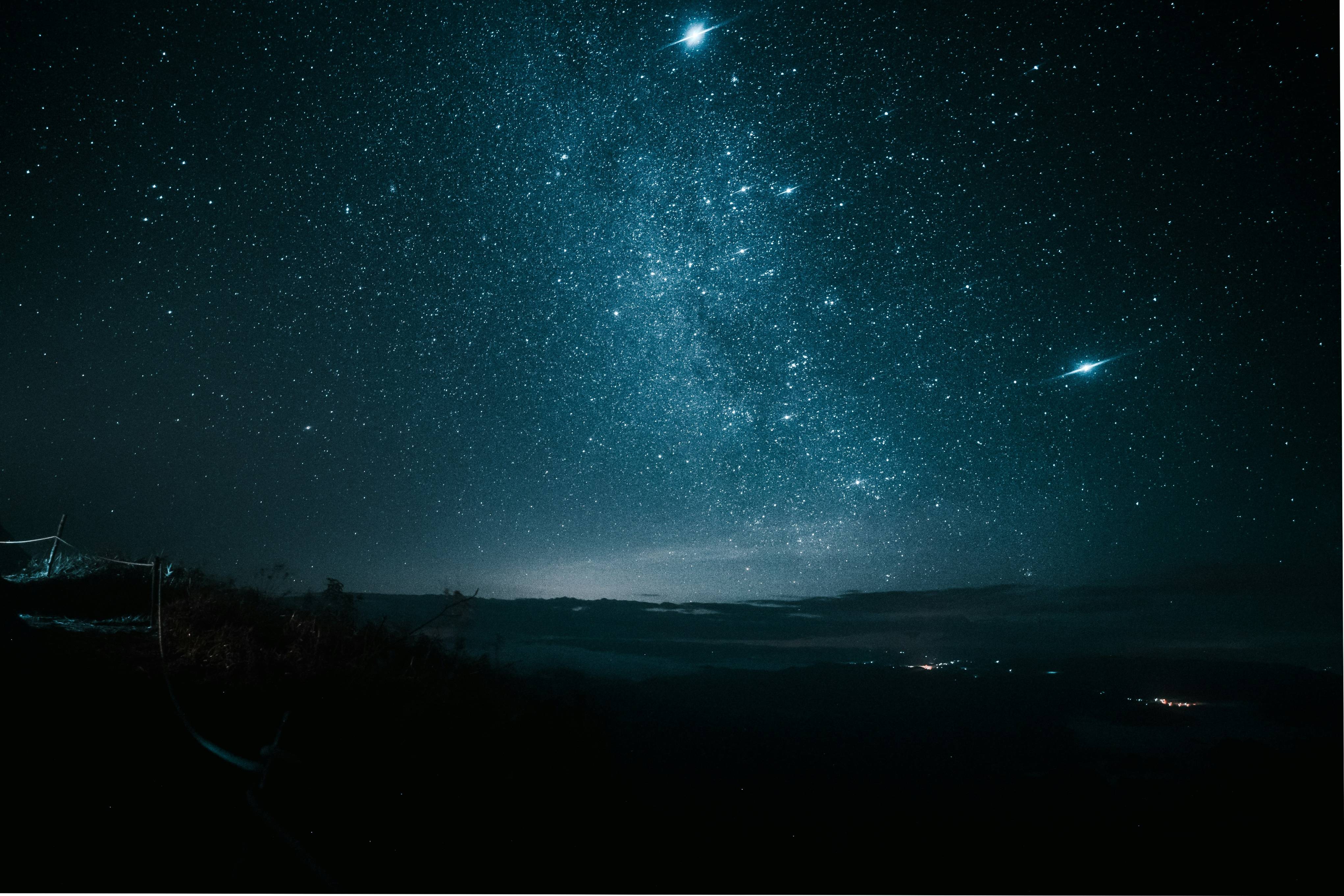
As the Sun sets and darkness falls, artificial lights switch on — washing out the stars above. This increasing brightness at night poses a major challenge for astronomers, wildlife, and people who value clear night skies.
A recent global study analyzed how nighttime brightness, known as skyglow, has intensified over the past decade. With over 51,000 reports from amateur skywatchers worldwide, researchers discovered that the night sky is brightening at an average rate of 9.6% per year, erasing more stars from view than satellite data had previously suggested.
“When cities switch to LED lighting, satellites may register less brightness. But in reality, many areas are still getting significantly brighter at night,” explained Christopher Kyba, lead author of the study and light pollution expert at Germany’s GFZ Helmholtz Centre Potsdam.
How Skyglow Works
Skyglow is caused by artificial light bouncing off particles in the air and clouds, much like sunlight scattering during the day to create blue skies. This nighttime illumination obscures faint stars. Over the years, expanding cities have added brighter, whiter lights — especially LEDs — that scatter more than the older, warmer-toned street lamps.
An aerial comparison of East Calgary, Canada, taken from space shows the dramatic shift: in 2010, roads and buildings were lit with amber-colored sodium lamps. By 2021, most had been replaced by cooler, white LEDs, and many new lights were added.
This transition to LED lighting has complicated efforts to track skyglow using satellite instruments. Most satellites rely on outdated sensors developed during the Cold War that are poorly suited for detecting bluish LED light. They also measure ground-level brightness from above, missing much of the upward-scattered light that causes skyglow.
“A more accurate way to gauge light pollution is from the ground, looking up — not down from space,” said Christian Luginbuhl, director of the Flagstaff Dark Skies Coalition.
Stargazers Help Measure Light Pollution
To get a clearer picture, Kyba and his team turned to citizen science through the Globe at Night initiative, managed by NOIRLab. Participants from 180 nations submitted data about how many stars they could see from their location. Using 51,000 entries collected between 2011 and 2022, researchers assessed changes in sky visibility in urban and rural settings.
Their findings: each year, the number of stars visible to the naked eye drops by nearly 10%. That means a child born under a sky where 250 stars are visible might see only 100 of them by the time they turn 18.
This ground-based measurement shows light pollution is increasing six times faster than satellite observations suggest. That’s largely because most data came from populated areas where lighting grows faster than in rural regions.
“This study strongly reinforces what many experts have been warning about: light pollution is rising almost everywhere — and rapidly,” said Luginbuhl.
Why It Matters
“This work offers a reliable indicator of how dark skies are disappearing,” said Richard Green, astronomer at the University of Arizona’s Steward Observatory. “The speed of change is deeply troubling. It suggests rising interference with natural rhythms and a major waste of electricity.”
Images from the U.S. National Park Service show stark differences in sky brightness near Flagstaff, Arizona, and Cheyenne, Wyoming. Though both cities are similar in size, Flagstaff’s long-standing light pollution policies have preserved darker skies compared to Cheyenne.
The effects of artificial lighting go far beyond ruined stargazing. Nearly half of all species are nocturnal, including key pollinators and migratory animals like sea turtles and birds. These creatures depend on natural day-night cycles for survival.
“It’s an enormous shift in the environment,” Kyba said. “Life evolved under a consistent rhythm of bright days and dark nights. But within just a century, that balance has vanished over large portions of the world — especially in North America, Europe, and Asia.”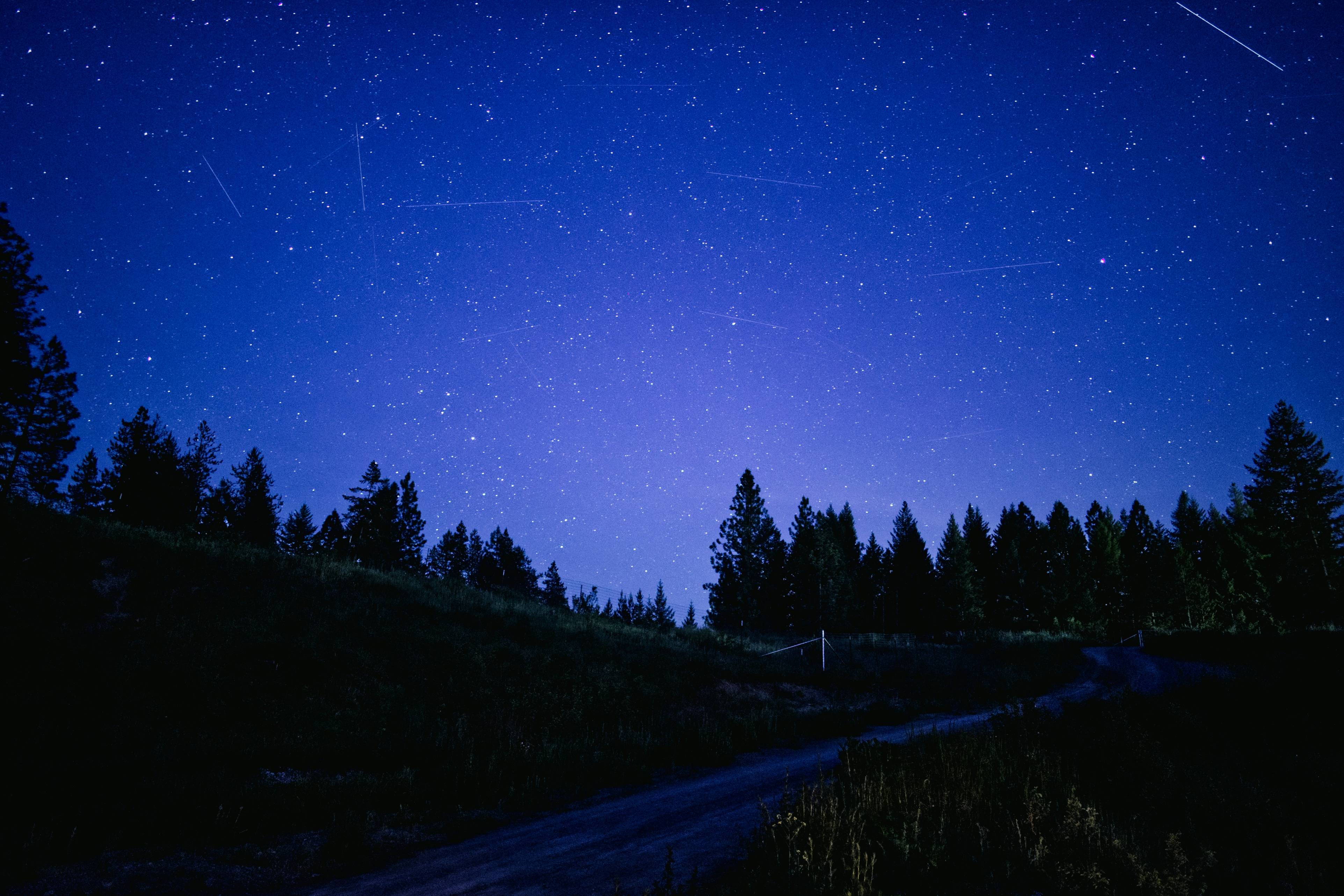
What We Can Do
Certain communities, especially those near observatories or sensitive ecosystems, already regulate outdoor lighting. But even at the individual or neighborhood level, people can make meaningful changes.
“We’re not talking about turning off essential lights,” said Green. “We’re talking about using lighting responsibly — the right amount, in the right place, and at the right time.”
Here are a few simple, effective solutions:
Use fully shielded fixtures that direct light downward.
Replace white LEDs with warmer-toned bulbs (yellow or amber).
Install timers or motion sensors so lights shine only when needed.
By adopting these practices, Green says, “We could realistically reduce night sky brightness by up to 90%.”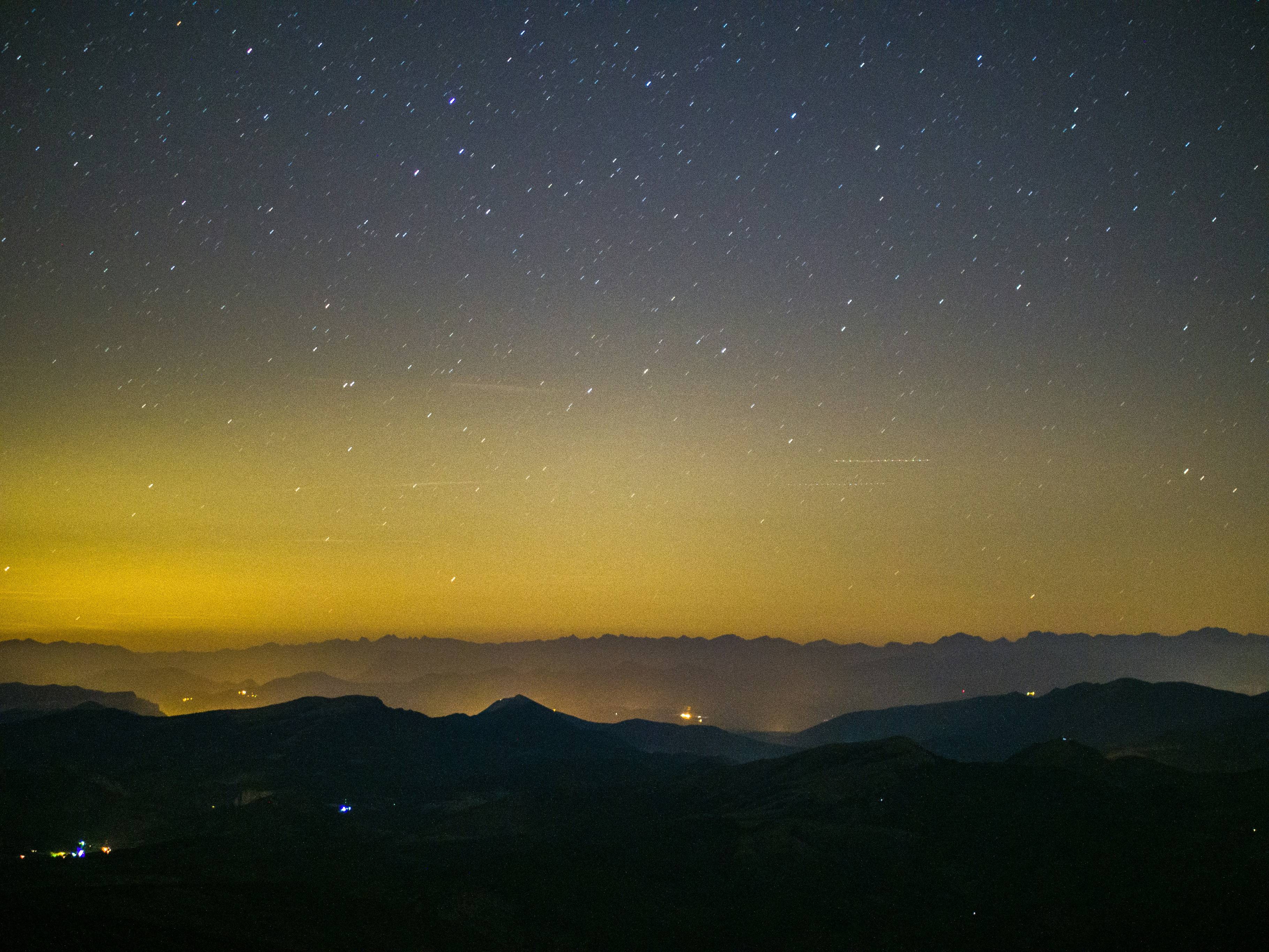
संबंधित कहानियाँ

The Most Unique Giants of the Sea: The Humpback Whale
Humpback whales are among the ocean’s most celebrated marvels, renowned for size, acrobatics, and intricate vocalizations. This piece revisits the story of humpbacks in Quebec’s Saguenay–St. Lawrence estuary, explores their remarkable traits, and explains how these marine giants feed, sing, and communicate. It also touches on conservation history and what makes humpbacks so distinctive within the whale world.
और पढ़ें »
10 सबसे प्रतिष्ठित मार्वल सुपरहीरो पोशाकें, रैंकिंग
मार्वल कॉमिक्स अपने चमकीले रंग के सुपरहीरो के विशाल वर्गीकरण के लिए जाना जाता है। वे आश्चर्यजनक और बेतुके पोशाक पहनते हैं और समान रूप से विचित्र पोशाक वाले सुपरविलेन का सामना करते हैं। जबकि अधिकांश मज़ा उनकी वीरतापूर्ण लड़ाइयों और न्याय की अडिग भावना में है, पोशाकें आकर्षण का एक प्रमुख हिस्सा हैं। यही कारण है कि आयरन मैन और स्पाइडर-मैन जैसे कई नायक नियमित रूप से अपनी पोशाकें बदलते रहते हैं। हालांकि, कुछ सूट समय की कसौटी पर खरे उतरे। भले ही नायक उनसे आगे निकल गए हों, वे आसानी से पहचाने जा सकते हैं और चरित्र के इतिहास का एक प्रतिष्ठित तत्व बन गए हैं। चाहे कितना भी समय बीत जाए, ये पोशाकें अपने संबंधित नायकों का केंद्रीय सिद्धांत बनी हुई हैं।
और पढ़ें »
Bird Flower
Chinese Bird and Flower Painting
और पढ़ें »
Happily Seeking Waterfalls in North Bay
What is it about waterfalls that captures our attention so completely? Scientists explain that falling water produces negative ions when water particles collide, releasing them into the atmosphere and triggering chemical reactions in our bodies that can improve our mood.
और पढ़ें »
प्रवाह पर महारत हासिल करना: तेल रंगों में नदियों को चित्रित करने के लिए एक मार्गदर्शिका
जल के सार को चित्रित करना एक चुनौतीपूर्ण लेकिन अत्यंत संतोषजनक प्रयास है। चाहे वह शांत तालाब की चिकनी सतह हो, लहरों की शक्ति हो या पर्वतीय जलधारा का स्थिर प्रवाह, जल एक गतिशील विषय है जिसने सदियों से भूदृश्य कलाकारों को मोहित किया है।
और पढ़ें »
चंद्रमा के बारे में 8 आश्चर्यजनक सच्चाइयाँ
21 जुलाई 1969 को नील आर्मस्ट्रांग के ऐतिहासिक "मानवता के लिए विशाल छलांग" को लगभग पाँच दशक बीत चुके हैं, फिर भी हमारा यह चंद्र पड़ोसी लगातार आश्चर्यजनक रहस्य उजागर कर रहा है।
और पढ़ें »