फीचर
Blue Cities, Rising Risks: Charting a Course for Coastal Resilience
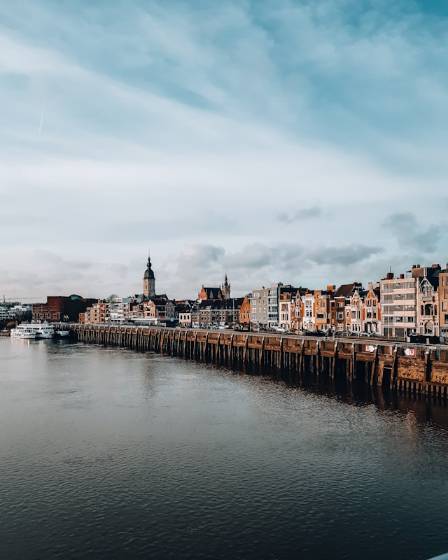
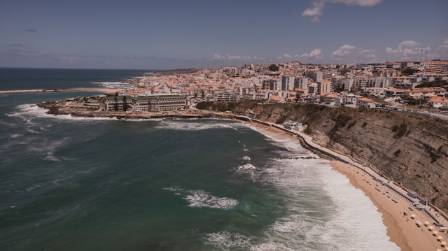
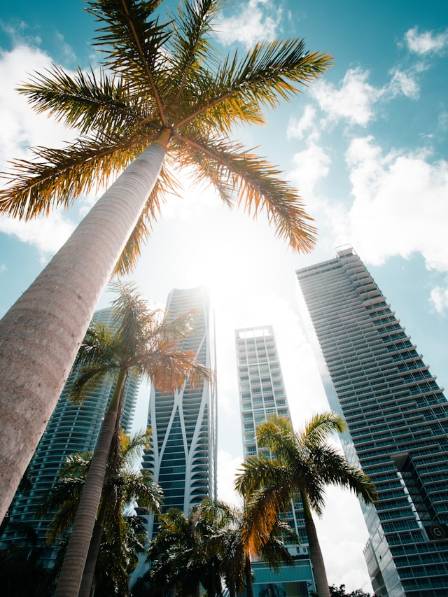
Coastal cities represent the critical nexus between terrestrial civilization and the marine environment. Home to a disproportionate share of the global population and economic engines, these urban centers are both powered by and profoundly dependent on the ocean. Currently, approximately 70% of the world’s megacities (those exceeding 10 million inhabitants) lie within 60 kilometers of the coastline, collectively generating nearly half of the world’s Gross Domestic Product (GDP). While this proximity fuels trade, innovation, and the burgeoning blue economy, it simultaneously positions these hubs on the front lines of climate change.
Mila Carter
संपादकीय डेस्क
संपादक की टिप्पणी
पूरा लेख नीचे जारी है।
सेक्शन
समाज और ट्रेंड
The Growing Vulnerability of Coastal Metropolises
Pressures: The Urban Footprint on Marine Ecosystems
-
Habitat and Biodiversity Loss: Land reclamation and shoreline construction physically destroy critical habitats like mangroves and wetlands, driving species decline.
-
Pollutant Contamination: Untreated urban runoff, industrial discharge, and wastewater introduce heavy metals and toxins into coastal waters.
-
Eutrophication: Excessive nutrient loading from sewage and agriculture triggers harmful algal blooms and creates hypoxic "dead zones" devoid of oxygen.
-
Marine Litter: Inadequate waste management systems, coupled with tourism, result in significant plastic leakage into the ocean.
-
Greenhouse Gas Emissions: High-density populations, port operations, and energy-intensive infrastructure make coastal cities major contributors to global GHG emissions.
-
Sensory Pollution: Artificial lighting and chronic underwater noise from shipping and construction disrupt the natural behaviors of marine fauna.
Pathways to Resilience: Sustainable Urban Solutions
-
Embrace Nature-Based Solutions (NbS): Prioritize the restoration and conservation of mangroves, dunes, and wetlands, utilizing "living shorelines" to buffer against storms and sequester carbon.
-
Upgrade Water Infrastructure: Invest in advanced wastewater treatment and green infrastructure (e.g., bioswales, permeable pavements) to filter pollutants before they reach the sea.
-
Enforce Sustainable Planning: Implement strict zoning laws to halt land reclamation and prevent construction in ecologically sensitive or high-risk flood zones.
-
Circular Waste Management: Transition towards a circular economy by improving solid waste interception and promoting recycling to eliminate marine litter at the source.
-
Decarbonize Urban Systems: Reduce emissions through energy efficiency mandates, electrification of public transport and port equipment, and investment in renewable energy sources.
-
Mitigate Sensory Stress: Implement "dark sky" initiatives and quiet technologies in ports to minimize light and noise pollution impacting marine life.
संबंधित कहानियाँ

Our Top 10 Best Color Palettes
Here are our favorite stylish color combinations that exude sophistication and appeal:
और पढ़ें »
The Symphony of Nature: An Expedition into the Harmonious Dance of Life in the Wild
The natural world is akin to a grand symphony, where every component performs its distinct role in weaving an exquisite tapestry of balance and harmony. In this piece, we embark on an immersive odyssey to unravel the intricate network of life in our pristine surroundings. From the intricate dynamics of ecosystems to the enthralling adaptations of various species, we peel back the layers to reveal the breathtaking marvels that render nature truly magnificent.
और पढ़ें »
Top 10 Expert Tips for Perfect Homemade Muffins Every Time
Muffins are one of the easiest baked goods to whip up, but creating moist, fluffy, bakery-style muffins takes more than just mixing ingredients. Whether you're baking a classic blueberry muffin or experimenting with new flavors, these helpful tips will guide you to better results every time.
और पढ़ें »
मानव अंतरिक्ष अन्वेषण का भविष्य
अंतरिक्ष में मानव उपस्थिति लगातार बढ़ रही है। अंतरराष्ट्रीय अंतरिक्ष स्टेशन (ISS) के लिए नियमित मिशन जारी हैं, जो अनुसंधान और प्रयोगों के लिए अंतरिक्ष यात्रियों को निम्न-पृथ्वी कक्षा में ले जाते हैं। फिर भी, ISS अंतरिक्ष में मानवता के विस्तार की केवल शुरुआत है।
और पढ़ें »
अपने बग़ीचे के लिए गुलाब के 3 प्रकार
गुलाब के विभिन्न प्रकार, जो कि रोसासी परिवार के सदस्य हैं, अब तक के सबसे लोकप्रिय फूलों वाले झाड़ियां हैं जो बागवानी में उपयोग की जाती हैं। रोसा जाति में 300 से अधिक प्रकार के लकड़ी के फूलों वाले बारहमासी पौधे शामिल हैं, और इन प्रजातियों के भीतर कई हजार गुलाब के प्रकारों का विकास किया गया है।
और पढ़ें »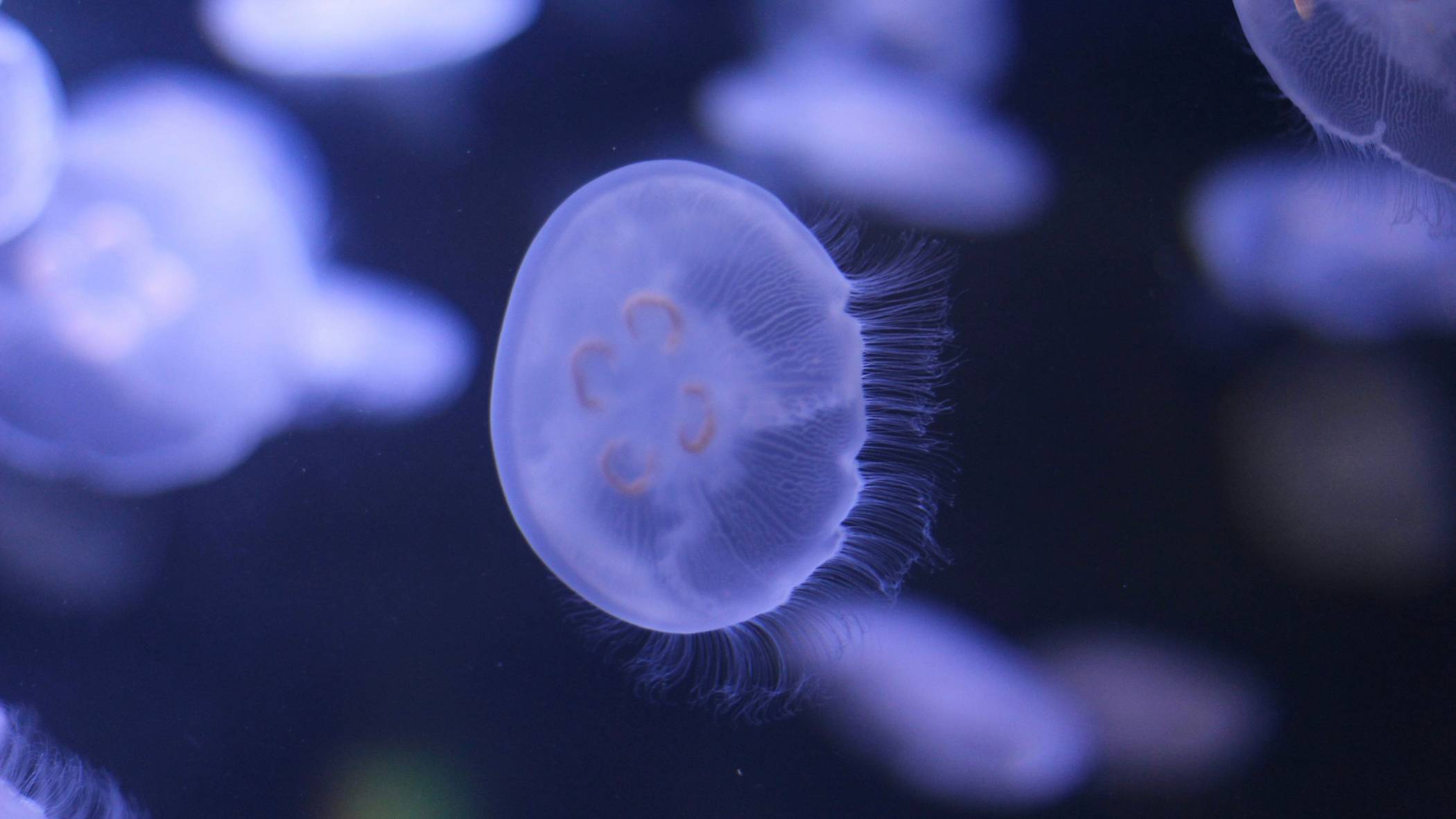
10 असाधारण जेलीफ़िश प्रजातियाँ
जेलीफ़िश शानदार, बल्कि हैरान करने वाले जीव हैं, जिनमें अलौकिक जैसी विशेषताएं होती हैं और अत्यधिक गहराई में जाने की प्रवृत्ति होती है। समुद्री जेली के रूप में भी जानी जाने वाली, इन जिलेटिनस नॉनफ़िश में दिमाग, खून और दिल नहीं होते। विविधतापूर्ण और, हमें स्वीकार करना होगा, कूल, जेलीफ़िश आकार, रंग, आकार और व्यवहार में भिन्न हो सकती हैं। (उदाहरण के लिए, कुछ मनुष्यों को डंक मारती हैं और कुछ नहीं।) समुद्री जानवर के बारे में और अधिक खोज अभी भी लगातार की जा रही है। यहाँ जेलीफ़िश के 10 अनोखे प्रकार हैं जो आकर्षक और सुंदर दोनों हैं।
और पढ़ें »