फीचर
Native Plants for Urban Balconies
As an urban botanist and enthusiastic plant enthusiast, I often find myself noticing the same invasive species growing through cracks in sidewalks. The alternative is usually to visit city gardens, where many displays feature the same brightly coloured plants sold by large garden retailers. To be fair, I appreciate the resilience of dandelions and their cheerful spring blossoms. I also enjoy the colourful impatiens and petunias that brighten our streets during summer, and I cannot deny the beauty of burning bushes when their foliage turns brilliant red in autumn. However, as a horticulturally trained scientist who devotes much of his time to studying native plants, I believe our urban landscapes could offer far more.
Soren Blackwell
संपादकीय डेस्क
संपादक की टिप्पणी
पूरा लेख नीचे जारी है।
सेक्शन
समाज और ट्रेंड
As an urban botanist and enthusiastic plant enthusiast, I often find myself noticing the same invasive species growing through cracks in sidewalks. The alternative is usually to visit city gardens, where many displays feature the same brightly coloured plants sold by large garden retailers. To be fair, I appreciate the resilience of dandelions and their cheerful spring blossoms. I also enjoy the colourful impatiens and petunias that brighten our streets during summer, and I cannot deny the beauty of burning bushes when their foliage turns brilliant red in autumn. However, as a horticulturally trained scientist who devotes much of his time to studying native plants, I believe our urban landscapes could offer far more.
Anyone who becomes deeply interested in a subject eventually discovers that knowledge can sometimes make ordinary experiences less exciting. The more we understand something, the easier it becomes to recognize its shortcomings. This applies to everything from food and automobiles to architecture and gardening. Whatever our passion may be, we tend to notice the possibilities that others might overlook. With more than 400,000 plant species worldwide, the limited variety I encounter on my everyday walks can be disappointing. Even more frustrating is knowing that so many better alternatives are available.
The ginkgo trees lining my street are beautiful, with their distinctive fan-shaped leaves, spectacular autumn colours, and welcome shade. Yet they offer relatively little support for many other urban inhabitants. Compare them with the native serviceberry growing on my balcony. Its spring blossoms provide food for bumblebees, while its delicious summer fruits feed American robins. Even the occasional insects and diseases associated with the tree can attract predatory insects that help keep their populations under control. Interactions like these remind me that plants contribute much more to our surroundings than visual appeal and a sense of calm.
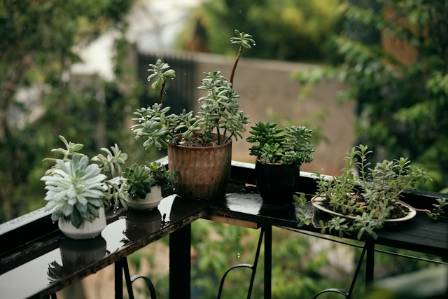
When my partner and I purchased our condominium, I immediately saw our modest 5-by-10-foot balcony as an opportunity to indulge my passion for plants. I love the neighbourhood, but this botanist needed a little more greenery to feel truly at home. I wanted to make use of every available corner while leaving enough room for my partner to enjoy sitting outdoors. I also made a firm decision that every plant I grew would be native. Although helping pollinators is certainly worthwhile, my main motivation was simpler: I am fascinated by plants and have a particular affection for the native prairie species of Illinois.
Fifteen years ago, when I began this project, reliable guidance on cultivating native plants in containers was scarce. I knew the process would involve challenges. Many native species develop extensive root systems and may require two or three years before producing flowers, meaning they need sufficiently large containers and must survive outdoors throughout winter.
Native plants can withstand Chicago's severe winter temperatures, but roots growing in containers face different conditions from those growing in the ground. Garden soil provides a degree of insulation, whereas the roots inside pots are more exposed to freezing temperatures and repeated thawing. Choosing suitable containers therefore became my first priority.
Selecting Suitable Pots for Native Plants
My first consideration was how different container materials would respond to freezing weather. Terracotta, traditional pottery, and certain types of plastic can crack or become brittle during winter, so I avoided many of these options.
Initially, I chose fiberglass containers because they are lightweight, available in various shapes and sizes, and capable of tolerating cold conditions. More recently, I have experimented with steel and concrete. Concrete can be extremely heavy on a balcony, although it may be a practical choice for gardens at ground level.
I also favoured deeper containers to accommodate native plants with long roots. I selected four pots measuring at least 16 inches in depth, although their widths and overall dimensions differed. Later, I learned at the Chicago Botanic Garden that numerous native species can grow successfully on green roofs in much shallower growing media than their deep root systems might suggest.
Even so, I still prefer containers with as much soil volume as the available space permits. Extra volume can help reduce the damage caused by repeated freezing and thawing during Chicago's winters and early spring. These temperature fluctuations have been among the biggest challenges affecting the long-term survival of my plants.
For this reason, I recommend insulating the interior walls of containers. There are several ways to accomplish this, but I have often placed pieces of Styrofoam against the inside of the pot before filling it with soil. This additional layer helps protect roots from extreme temperature changes.
Preparing Soil for Different Native Habitats
In Illinois, differences among native plant communities are often influenced more by soil composition than by variations in elevation. Because different species thrive under different soil conditions, I knew that filling every container with an identical mixture would limit the diversity I could grow.
Matching soil conditions to each plant's natural habitat is an important part of successful gardening. As experienced gardeners and farmers understand, preparing the soil properly from the beginning can prevent many problems later. Container growing, however, differs from planting directly in the ground, and commercial potting mixtures are often formulated to address these differences.
I understood that reproducing the complexity of Illinois prairie soils in a balcony garden would be impossible. I also needed to consider the weight of several large containers filled with growing medium. Therefore, I began with a good-quality commercial potting mix and adjusted its properties using various amendments.
For plants associated with wetter prairie habitats, I incorporated peat to help retain moisture. To create better drainage for species from drier prairie environments, I experimented with sand and vermiculite. In one particularly elaborate experiment, I even added pieces of rubber to imitate gravelly soil conditions.
Looking back, I may have made the process more complicated than necessary, although experimenting with different mixtures was enjoyable. For most gardeners, I would recommend starting with a reliable potting mix and making adjustments only when needed. Lightweight amendments that improve drainage or help retain water can be useful, depending on the requirements of the plants being grown.
Choosing Native Plants for a Balcony Garden
Once the containers and soil were ready, I could finally begin selecting plants. As both a botanist and a gardener, I know that choosing species suited to their growing environment is one of the most effective ways to reduce maintenance. When plants receive the conditions they need, they generally grow more vigorously and produce more impressive displays.
Illinois has approximately 2,300 native plant species, giving me plenty of possibilities to explore. To narrow the choices, I first examined the environmental conditions available on my balcony.
Fortunately, the balcony originally faced south, providing abundant sunlight. This meant I needed plants capable of tolerating full sun, although trees have gradually grown around the building and now cast more shade than they did when I started.
With these conditions in mind, I looked for examples of natural areas in Illinois that shared similar sunlight and soil characteristics. One practical approach was to study species lists associated with particular ecosystems, including sand prairies and wetlands. Even highly artificial urban environments have natural habitats with comparable growing conditions, and plants adapted to those environments may also thrive in our gardens.
Plants have evolved to survive in a remarkable range of settings, from shaded forests and rocky crevices to cave margins, exposed bedrock, and sandy dunes. These environments may appear harsh or unusual, but each supports species that have adapted to its particular challenges.
For my balcony, I settled on four habitat categories: sand prairie, wetland, gravel hill, and savannah edge. I excluded mesic prairie plants because many would grow too tall for the available space, while woodland species were less suitable for the sunny conditions at the time.
With these habitat groups established, I began narrowing the plant list according to my personal preferences and practical needs. Since the balcony was also intended to be an attractive garden, I wanted species with appealing flowers or other ornamental qualities. They needed to remain relatively compact so that several different plants could share each container without becoming overcrowded.
I also favoured species that could tolerate periods of dryness because I knew I might occasionally forget to water them. Cold tolerance was another important consideration. I preferred plants whose natural ranges extended well beyond the northernmost limits of their distribution, hoping they would cope better with the severe winters that container-grown roots would experience.
Even after applying all these requirements, I still had numerous possibilities to consider. The list continues to expand whenever I explore natural areas and discover another native species that I would love to grow outside my window. Unfortunately, my choices have sometimes been restricted by the native plants available from commercial growers.
Lessons Learned After 15 Years of Experimentation
In 2009, I began this project as an inexperienced gardener with a botanist's curiosity and a strong desire to bring native plants into an urban environment. I started with the knowledge I had at the time, knowing that some experiments would succeed while others would fail.
Over the years, changing weather conditions repeatedly tested the plants. Bitterly cold winters, unusually wet springs, and extremely hot summers pushed them to their limits. Some species endured these conditions with little difficulty, while others gradually disappeared. Each outcome taught me something about the growing conditions particular plants could tolerate.
A few species have remained in my containers for the entire 15-year period. Others survived for several seasons before declining, and some never became established despite repeated attempts. Being a scientist, I naturally kept records of the species I planted and how long they survived. These observations have given me 15 years of useful information, which I am always happy to share.
I have learned a great deal from the experience, although my conclusions should be regarded as observations from personal experimentation rather than definitive scientific findings. Gardening itself is a continuing process of testing ideas, observing results, and adjusting methods. With that qualification in mind, several patterns have stood out.
Which Native Plants Survive Winter Best?
Two groups of plants appeared particularly successful at surviving the winter in my containers.
The first includes annual species and plants that readily reproduce through self-seeding. Annuals complete their life cycles without needing to survive the winter as established plants, while self-seeding species can produce new generations when conditions are favourable. Among the strongest performers in my garden were horsemint (Monarda punctata), anise hyssop (Agastache foeniculum), and partridge pea (Chamaecrista fasciculata).
The second group consists of plants without thick taproots. In my experience, species with fibrous root systems, including many sedges in the genus Carex and various grasses, generally handled freezing conditions well. Rhizomatous plants also performed reliably. Examples included fringed loosestrife (Lysimachia ciliata) and several kinds of asters.
These observations suggest that the structure and growth habits of a plant's roots may influence its ability to survive the challenging temperature fluctuations experienced by container plants. However, further testing would be needed to establish how consistently these patterns apply to other species and growing conditions.
How Nurse Plants Can Improve Survival
Another interesting pattern involved what gardeners sometimes call nurse plants. These are plants that appear to support neighbouring species by providing useful structure above and below the soil surface.
In my containers, sedges from the genus Carex were especially promising examples. Their foliage forms a dense layer of dead leaves and plant material, often called duff, which remains around the base of the plants during winter. This layer may help insulate nearby plants and protect their lower stems and roots from extreme cold.
Their root systems may offer another benefit. By binding the soil together, they could help limit the disruption caused by repeated freezing and thawing. If this effect is significant, plants growing alongside sedges may benefit from a more stable growing environment throughout winter.
I would like to investigate this possibility further because it raises an intriguing question about plant diversity. Even in a few small balcony containers, plants may support one another in ways that help more species survive. This is a reminder that a successful native garden is not simply a collection of individual plants, but a small community whose members can influence one another's growth and resilience.
संबंधित कहानियाँ
10 Compelling Health Benefits of Mountain Biking
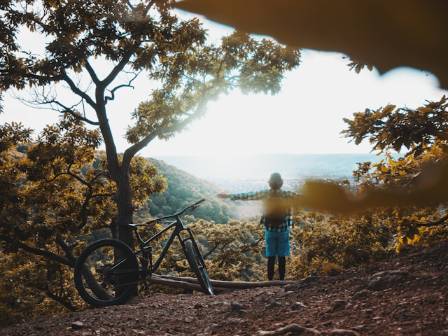
In recent decades, mountain biking has emerged as a beloved outdoor pursuit. The Outdoor Industry Foundation reports that nearly 40 million individuals partake in this exhilarating activity annually in the United States. Amid mounting public health concerns like obesity, heart disease, and diabetes, engaging in physical exercise, particularly in the great outdoors, is taking on greater significance for individual and collective well-being.
और पढ़ें »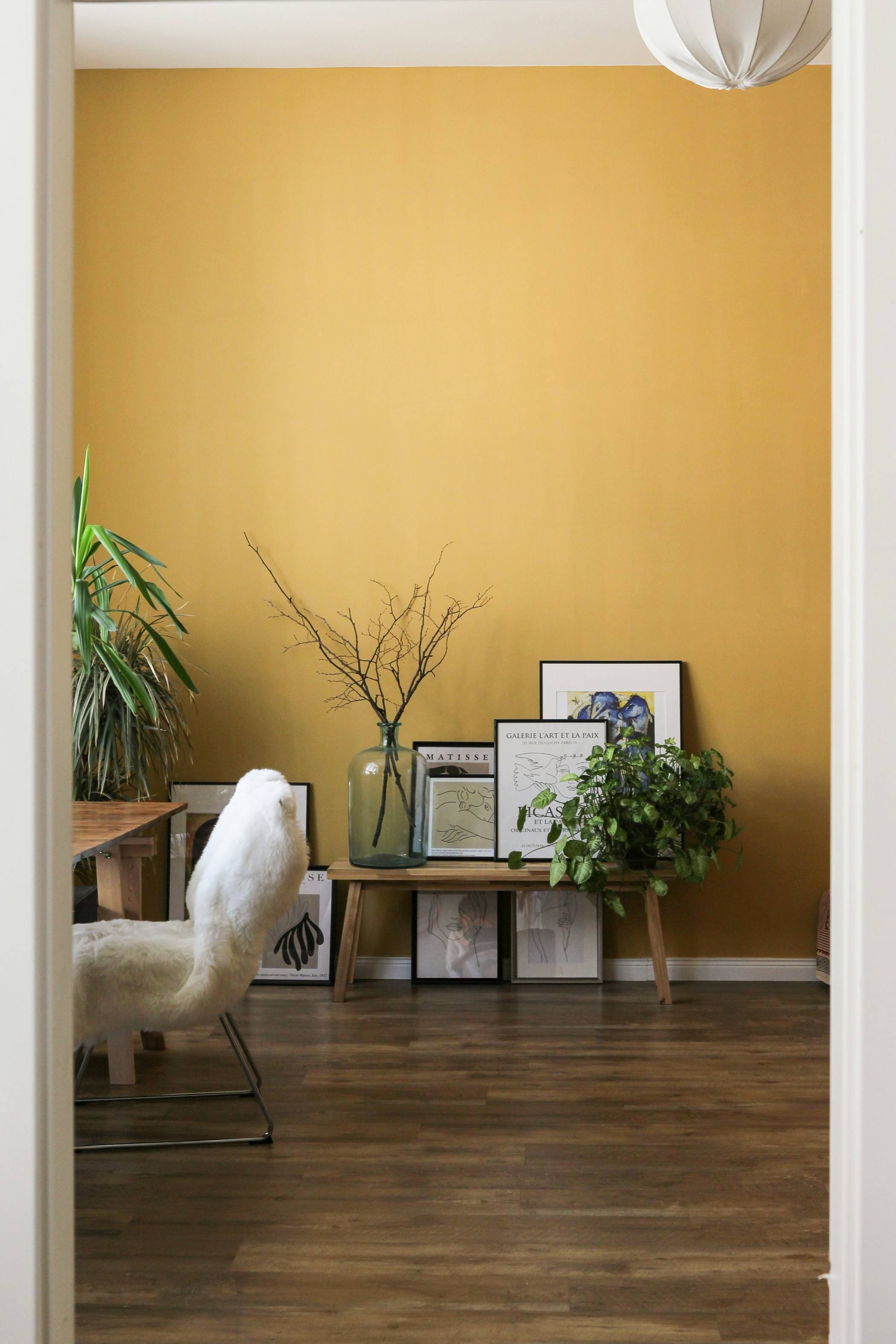
रंगीन घर की सजावट के लिए गाइड: इंटीरियर में रंगों का उपयोग कैसे करें?
रंगीन घर की सजावट व्यक्तित्व और साहस का प्रतीक है – इसके अलावा, रंग किसी भी इंटीरियर के मूड को बढ़ाने के लिए एक शक्तिशाली उपकरण हैं। यह जानने के लिए पढ़ते रहें कि इंटीरियर में रंगों का उपयोग कैसे करें। काले और सफेद को भूल जाएं! अपने प्रोजेक्ट को अधिक व्यक्तित्व, साहस और अच्छी भावनाओं के साथ बढ़ावा देने के लिए एक रंगीन घर की सजावट का स्वागत करें। कैसे? आप इस गाइड में यह खोजेंगे; इंटीरियर में रंगों का उपयोग कैसे करें, यह जानने के लिए पढ़ते रहें।
और पढ़ें »
10 प्रेरणादायक महिलाएं जो दुनिया बदल रही हैं
अंतर्राष्ट्रीय महिला दिवस मनाने के लिए, हमने दुनिया भर की 10 प्रेरणादायी महिलाओं की सूची तैयार की है जो हर दिन शानदार काम कर रही हैं।
और पढ़ें »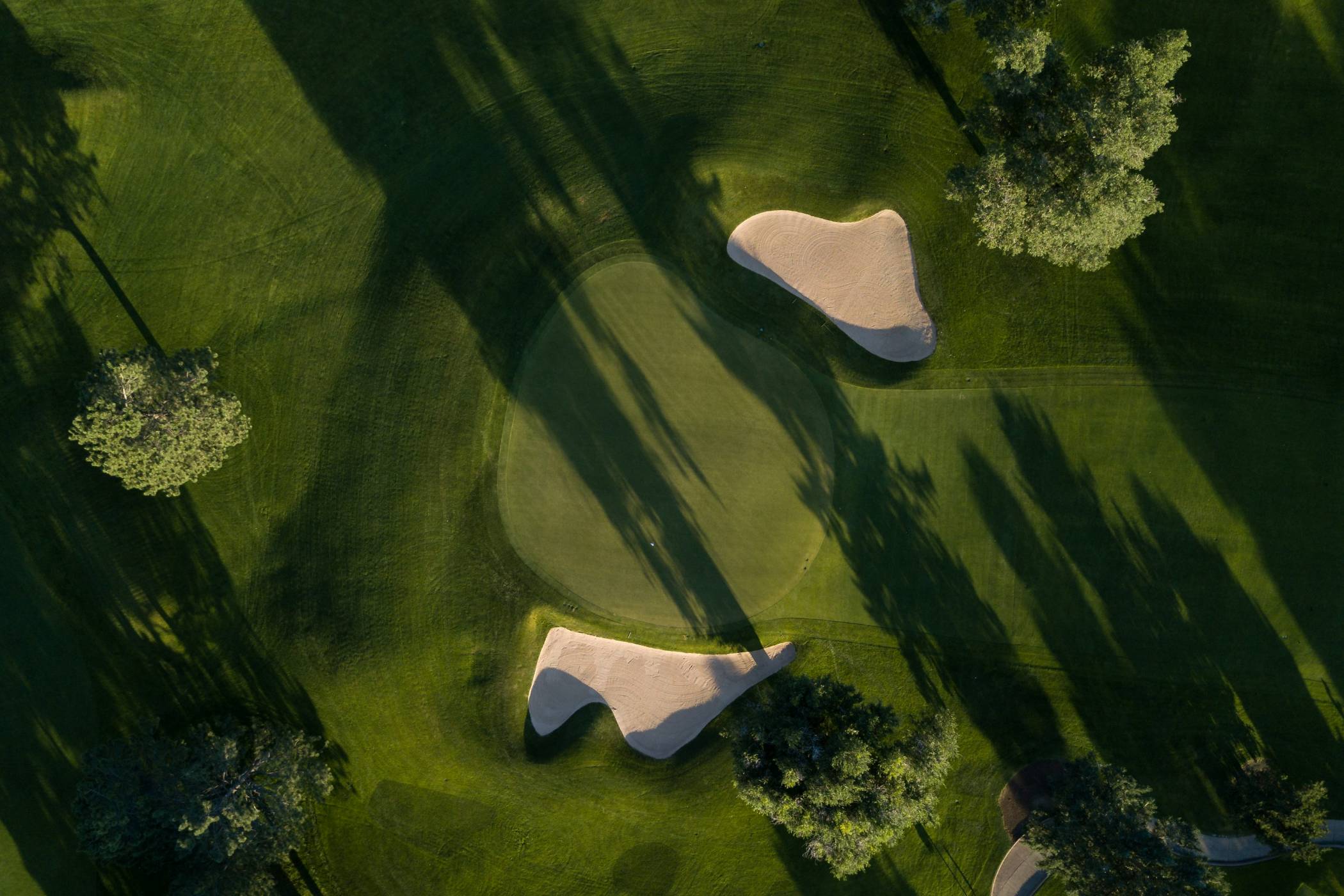
दुनिया के सबसे अच्छे गोल्फ कोर्स: 2025 – हमारी टॉप 5
कुछ गोल्फ कोर्स आपकी ध्यान आकर्षित करते हैं, जबकि कुछ आपके दिल को चुराते हैं: दुनिया के सबसे अच्छे गोल्फ कोर्स दोनों करते हैं — अक्सर पहले ही जब आप पहले टी पर पहुंचे भी नहीं होते। ये समय और लहरों द्वारा आकारित परिदृश्यों में उकेरे गए हैं, यह महान विचारकों द्वारा डिज़ाइन किए गए हैं और गोल्फ़रों की पीढ़ियों द्वारा सम्मानित किए गए हैं। चाहे वह आयरलैंड का हेज़ और बालू के टीले हों, न्यूज़ीलैंड का सुनहरी तट हो, या कैलिफोर्निया की पाइन-ढकी चट्टानें, इन स्थानों में कुछ समानता है: ये खेल की भाषा को धाराप्रवाह बोलते हैं, और ये फुसफुसाते नहीं हैं—ये गाते हैं।
और पढ़ें »
दिल्ली के कुतुब मीनार के बारे में 5 रोचक तथ्य
मध्यकालीन भारत की शक्ति का प्रतीक, कुतुब मीनार क्षितिज पर छाई हुई है
और पढ़ें »
4 Plants Boasting Large and Gorgeous Flowers
When deciding on flowers for your garden, the choices are abundant, ranging from delicate blossoms to those with grand blooms that command attention. Perhaps you aim to bring some of these floral beauties indoors for stunning cut arrangements. Here's a selection of plants known for their large and captivating flowers:
और पढ़ें »