फीचर
Interesting Facts about Smart Wearables You May Not Know
The popularity of smart wearable devices has increased dramatically in recent years. Products such as fitness bands, heart monitoring devices, sleep trackers, smartwatches, smart rings, and intelligent glasses are becoming a common part of everyday life.
Cole Harrison
संपादकीय डेस्क
संपादक की टिप्पणी
पूरा लेख नीचे जारी है।
सेक्शन
समाज और ट्रेंड
The popularity of smart wearable devices has increased dramatically in recent years. Products such as fitness bands, heart monitoring devices, sleep trackers, smartwatches, smart rings, and intelligent glasses are becoming a common part of everyday life.
With every new generation of wearable technology, these devices are bringing ideas that once existed only in science fiction closer to reality. They are changing how people monitor their health, track activities, and interact with digital information.
Where is your dog? A pet tracker can provide the answer. How many kilometers did you run today? Your smartwatch can tell you. Why do you feel tired during the day? Your smart ring may reveal details about your sleep quality.
We are currently experiencing a major technological transformation. Smart wearables are collecting and delivering increasingly detailed information from our bodies, using advanced sensors and powerful computing systems to provide more accurate insights than ever before.
Here are 15 fascinating facts about smart wearable devices that you may not have known.
1. Nearly One Billion People Use Smart Wearable Devices
Today, close to one billion people around the world use smart wearable technology regularly. Compared with the global population of more than 7.5 billion people, this represents a significant portion of the world’s population relying on wearable devices in daily life.
2. About One in Five Americans Uses a Smartwatch or Fitness Tracker
Smartwatches and fitness trackers have become increasingly popular in the United States. Approximately 20% of Americans regularly use one of these devices to monitor health, exercise, and daily activities.
3. Women Use Fitness Trackers More Frequently Than Men
Research shows that women are somewhat more likely than men to use smartwatches or fitness trackers regularly. Around 25% of women use these devices compared with approximately 18% of men.
4. Men Own More Smartwatches Worldwide
Although women generally show higher usage rates for fitness tracking devices, men represent the larger group of smartwatch owners globally.
5. Smart Wearables Are More Popular Among Younger Users
Wearable technology is especially common among younger adults. People between the ages of 18 and 49 are more likely to wear smartwatches or fitness trackers compared with older age groups.
6. Smart Wearable Users Often Have Higher Income Levels
People who use smart wearable devices often have greater disposable income. Studies indicate that adults with higher household earnings are more likely to own and regularly use fitness trackers compared with lower-income groups.
7. Fitness Trackers Can Encourage a More Active Lifestyle
Smart wearables can have a positive impact on physical activity. Users of fitness trackers tend to move more, with studies showing they may take thousands of additional steps each day compared with people who do not use these devices.
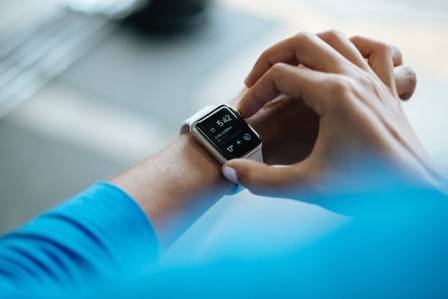
8. Step Tracking Devices Are Linked to Increased Exercise
Research has found that tools such as pedometers and activity trackers are associated with higher levels of physical activity. A large percentage of studies reviewed showed that people using these devices became more physically active.
9. Many Users Have Concerns About Data Privacy
Although smartwatches and fitness trackers provide valuable health information, many users worry about how their personal data is collected and used.
Around 40% of wearable device owners express privacy concerns. When users subscribe to services that analyze their health information and provide fitness reports, those concerns can increase even further.
10. The Fitness Tracker Industry Continues to Expand
The global fitness tracker market has experienced rapid growth. In 2020, the industry was valued at approximately 36 billion US dollars, and analysts expect it to expand significantly in the coming years.
11. Companies See Wearable Technology as a Future Business Advantage
Many businesses that have adopted wearable technology believe it will play an important role in their future development. A large majority of companies using wearable devices consider the technology a strategic part of their long-term plans.
12. Industrial Wearables Are Becoming More Common
Wearable technology is not limited to personal health and fitness. Industrial wearable devices are increasingly being used in factories, warehouses, and distribution centers.
These devices help improve workplace productivity, reduce accidents, provide hands-free training, and give employees better access to important information while working.
13. Wearable Technology Is a Leading Fitness Trend
According to surveys from the American College of Sports Medicine, wearable technology ranks among the top fitness trends worldwide.
Smart fitness devices have become more popular than many traditional exercise options, including home workout equipment, outdoor activities, and strength training programs.
14. Smart Glasses Continue to Develop
Smart glasses have attracted significant attention as the next major step in wearable technology. Although many people believe this category is still emerging, some early products have continued to evolve rather than disappearing.
Google Glass, for example, continues to exist and has shifted its focus toward professional and enterprise applications.
15. Many Wearables Use Advanced Low-Power Chips
A large number of smart wearable devices rely on highly efficient semiconductor technology. Many products contain ultra-low-power processing chips designed to support continuous data collection while extending battery life.
These advanced processors allow wearable devices to operate for days or even weeks on a single charge.
How Ambiq Helps Advance Wearable Technology
Smart wearable devices require efficient, reliable, and energy-saving components to provide smooth user experiences. Since these devices constantly collect and process health-related information, their processors must deliver strong performance while consuming very little power.
Ultra-low-energy System-on-Chip (SoC) solutions, such as Ambiq’s Apollo series, help wearable products achieve longer battery life. These technologies allow smartwatches, fitness trackers, and other wearable devices to continue operating efficiently for extended periods without frequent charging.
As wearable technology continues to develop, improvements in processing power, artificial intelligence, and energy efficiency will make these devices even more useful in everyday life.
संबंधित कहानियाँ

Unlocking the Secrets of How Modern Radar Works
Every modern meteorological tracking station relies entirely on Doppler technology. The classic rotating sweep line often seen on traditional displays is no longer physically accurate. Local news channels frequently feature a sweeping visual element on broadcasts, yet that motion is purely a computer simulation created for visual effect. The term radar originates from an acronym representing radio detection and ranging. As the expression suggests, these advanced units emit electromagnetic signals to evaluate the exact separation distance and motion speed of remote targets. A standard detection apparatus incorporates a transmission unit to launch signals alongside a receiving component to capture bounced energy. Advanced weather equipment utilizes a single specialized antenna that handles both sending and receiving duties seamlessly.
और पढ़ें »
दुनिया के सबसे खूबसूरत अंडरवाटर शहरों में से पाँच
क्या आपके पास यात्रा की योजना है? अगर आप छुट्टियाँ मनाने के लिए कोई जगह ढूँढ रहे हैं, या आपको बस कुछ यात्रा संबंधी विचारों की ज़रूरत है, तो TheMindUnleashed.com वेबसाइट दुनिया के पाँच सबसे “मन को झकझोर देने वाले अंडरवाटर शहरों” का सुझाव देती है। हाँ, पानी के नीचे! तो कुछ स्कूबा गियर, अपनी कल्पना और रोमांच की भावना पैक करें, और गोता लगाएँ।
और पढ़ें »
पतझड़ के पत्तों और आपके यार्ड के लाभ
इंडियाना में पतझड़ के साथ आने वाली गिरती हुई पत्तियाँ निश्चित रूप से निराशाजनक हो सकती हैं, लेकिन उन पत्तियों में बहुत सारे छिपे हुए लाभ हैं। इसलिए, इससे पहले कि आप अपनी रेक तक पहुँचें, जानें कि लॉन प्राइड वास्तव में गिरे हुए पत्तों को क्यों खोदता है।
और पढ़ें »
The Elegant History and Everyday Uses of Traditional Japanese Low Tables
Entering a traditional East Asian home often reveals a distinct and welcoming sight centered around a low-set piece of furniture. Placed neatly upon woven straw flooring, these compact tables are surrounded by soft floor cushions or unique legless chairs instead of conventional tall seating options. Known widely as a Japanese tea table, this specific furnishing serves as a core element of domestic life and cultural identity. While these items are beautiful pieces of craftsmanship, they are also deeply functional and carry immense historical significance. They play a vital role in traditional tea ceremonies where powdered green tea is carefully prepared and served to guests with deep respect. Understanding the background, components, and varieties of these tables can help anyone appreciate their enduring place in modern interior design.
और पढ़ें »
क्रीमी मैंगो मिल्कशेक
यह मलाईदार आम का मिल्कशेक ठंडा, तरोताज़ा और बनाने में बेहद आसान है।
और पढ़ें »
2023's Hottest Formal Dress Trends
In the ever-evolving realm of fashion, the landscape of formal dresses in Australia is no stranger to transformation. Each passing year ushers in a wave of fresh styles, materials, and designs that captivate the discerning tastes of our fashion-forward clientele, preparing for their formal affairs. Here at House of Troy, we are thrilled to unveil an exciting array of trends that epitomize elegance, innovation, and individuality. Whether you're gracing a gala, a wedding, or a prom, we are here to walk you through the paramount trends that are currently dominating the Australian evening gown scene.
और पढ़ें »