फीचर
Amanitas: From Deadly to Delicious
Several years ago, Jenna and I spent a summer working as interns at Rancho Mastatal, an environmental learning center located in the rural Costa Rican rainforest. On our second day there, Jenna chose to practice yoga, giving me the perfect opportunity to disregard her repeated warnings about snakes and head into the jungle by myself.
Evander Lane
संपादकीय डेस्क
संपादक की टिप्पणी
पूरा लेख नीचे जारी है।
सेक्शन
समाज और ट्रेंड
Several years ago, Jenna and I spent a summer working as interns at Rancho Mastatal, an environmental learning center located in the rural Costa Rican rainforest. On our second day there, Jenna chose to practice yoga, giving me the perfect opportunity to disregard her repeated warnings about snakes and head into the jungle by myself.
I knew that only a small number of snake species in the region were venomous, so I confidently followed a clearly marked trail with the same enthusiasm I normally bring to hiking in the North Country. While crossing a small stream by stepping from one rock to another, I suddenly spotted a heavily camouflaged snake curled tightly on the very rock I was about to step onto.
I reacted with a startled leap and barely cleared the snake. I soon discovered that it was a fer-de-lance, known locally in Spanish as terciopelo, a highly territorial and extremely dangerous venomous snake. Unfortunately, that first encounter was not my last. During the rest of the summer, I encountered more terciopelos than all other snake species combined.
Amanitas of the Mushroom World
Amanitas could be considered the terciopelos of the fungal kingdom. Although the genus represents only a relatively small portion of all mushroom species, it includes some of the most widespread and deadly mushrooms known. In fact, Amanitas are responsible for approximately 90 percent of deaths associated with mushroom poisoning.
Most of these fatalities are caused by the destroying angel and the death cap. Both species have a substantial, appealing appearance that can make them seem more appetizing than many other poisonous mushrooms, including Galerina autumnalis, an inconspicuous little brown mushroom.
In the United States, a disproportionately high number of Amanita poisoning fatalities occur among Southeast or East Asian immigrants. One reason is that the death cap can look remarkably similar to the paddy straw mushroom (Volvariella volvacea), an edible species that is widely enjoyed in their countries of origin.
Not Every Amanita Is Deadly
Despite their reputation for causing death and destruction, Amanita includes some of the most beautiful and highly regarded edible mushrooms as well. One famous example is the orange-red Amanita caesarea, commonly called Caesar's mushroom.
Caesar's mushroom was prized by Roman emperors and continues to be appreciated by mushroom enthusiasts in Europe today. Interestingly, people who have survived eating destroying angels or death caps have also described their flavor as relatively good.
That should never be interpreted as a reason to experiment with poisonous Amanitas. No edible Amanita should be eaten unless the mushroom has been identified with expert-level confidence. Caesar's mushroom is among the safest and most commonly consumed Amanitas, recognizable by its orange cap accompanied by yellow gills and a yellow stalk.
Recognizing the Amanita Aura
Once you become familiar with Amanitas, their overall appearance can become surprisingly recognizable even from a distance. Mycologist David Aurora referred to this distinctive visual character as the “Amanita aura” in his classic book Mushrooms Demystified.
For beginners, however, several physical characteristics provide more dependable clues. Amanita mushrooms initially develop inside a universal veil, which surrounds the young mushroom in an egg-shaped covering. Before it opens, this structure can look dangerously similar to an edible puffball, so cutting the mushroom open is important when making an identification.
As the mushroom develops, the universal veil breaks apart and leaves different remnants depending on the species. Many Amanitas retain a sack-like or collar-shaped volva around the base of the stalk. Some species also leave pieces of the veil attached to the cap in the form of patches or warts.
Many Amanitas possess another structure called a partial veil. This membrane initially covers the developing gills and eventually breaks apart as the mushroom matures, leaving behind a ring or skirt known as an annulus around the upper portion of the stalk.
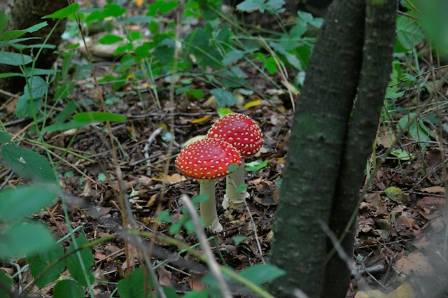
Amanitas have white spores and gills that range from white to off-white or yellow. Most species are mycorrhizal, meaning they form relationships with living trees, so they are commonly encountered growing near trees.
Common Amanitas Around Ithaca
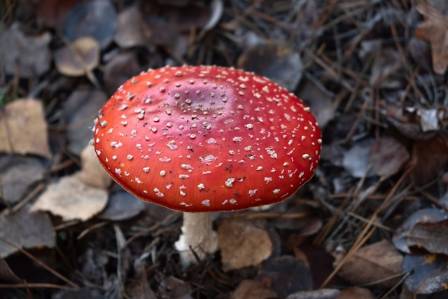
In the Ithaca area, two Amanita species stand out as the most frequently encountered. One is the completely white eastern destroying angel, Amanita bisporigera. The other is the yellow-capped fly agaric, Amanita muscaria var. guessowii.
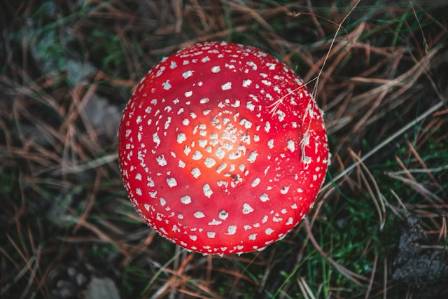
The latter is closely related to the classic red fly agaric familiar from Mario Bros. These mushrooms appear to have a notable ability to tolerate dry conditions. During one particularly dry year, they stood out clearly against soil that had cracked from drought and leaves that had become dry and brittle.
There is an interesting contrast between these two species. The deadly destroying angel can look remarkably harmless, while the considerably less dangerous fly agaric advertises itself with an intensely colored cap covered in conspicuous warts.
The Deadly Destroying Angel and Death Cap
The destroying angel and its equally lethal relative, the death cap (Amanita phalloides), contain amatoxins. These toxins can cause severe liver and kidney failure and result in death in approximately 60 percent of poisoning cases.
Amatoxins are also found in certain species belonging to the genera Lepiota, Conocybe, and Galerina. One of their most dangerous characteristics is the delayed and deceptive progression of poisoning.
Gastrointestinal symptoms can begin between five and 24 hours after the mushroom is eaten. These initial symptoms may then appear to disappear, giving the victim a false impression that the danger has passed. Approximately another day later, the symptoms can return as serious liver and kidney damage develops.
Anyone who has reason to believe that they or another person has consumed an amatoxin-containing mushroom should seek medical attention immediately. There is no reliably effective cure for amatoxin poisoning.
A Cornell student survived destroying angel poisoning in 2006, providing a rare example of recovery from this potentially fatal experience.
Both the destroying angel and death cap possess a volva and an annulus. The death cap, however, often has greenish, yellowish, or olive-colored tones on its cap, which can provide an additional identification clue.
Never Depend on a Single Identification Feature
When determining whether a mushroom is safe to eat, no single characteristic should be considered sufficient to distinguish an edible mushroom from an Amanita.
The annulus can detach from the stalk, while the volva at the base can remain underground or become damaged. This means that important Amanita characteristics may not always be immediately visible.
For this reason, common edible field mushrooms in the genus Agaricus, which lack a volva, should be carefully dug from the ground before they are eaten. If there is even a small amount of uncertainty about a mushroom thought to be a meadow mushroom, making a spore print can provide another useful check because Amanitas produce white spores.
Fly Agaric and Its Psychoactive Relatives
The fly agaric, Amanita muscaria, and its somewhat more dangerous relative Amanita pantherina do not contain amatoxins. Instead, they contain ibotenic acid, which the human body converts into muscimol.
In extremely large quantities these mushrooms could theoretically be fatal, but comparatively few deaths have been reported. They are nevertheless capable of producing serious physical and psychological effects, including nausea, sweating, and altered states of consciousness.
Amanita muscaria may have been one of humanity's earliest hallucinogenic mushrooms. Historical associations connect it with Viking berserkers and Siberian shamans, and it may also have been used by Vedic peoples.
Muscimol passes through the body and can be excreted in urine without being metabolized. Throughout history, this characteristic has been incorporated into traditional use of the mushroom. Some accounts have claimed that consuming the urine of someone who has eaten Amanita muscaria can reduce unpleasant physical effects while preserving or increasing its psychedelic effects.
Effects of Ibotenic Acid and Muscimol
Whether such practices actually provide the claimed benefits is uncertain. The effects of ibotenic acid and muscimol can vary considerably according to the regional form of the mushroom as well as how it has been prepared. These differences make recreational experimentation particularly risky.
Physical symptoms can include nausea, vomiting, fatigue, impaired muscular coordination, intense sweating, chills, twitching, and convulsions.
Psychological effects may range from frightening experiences to euphoric or highly unusual states. Some users report a sensation of increased physical strength or changes in how they perceive the size of objects.
The famous mushroom that makes Mario grow is therefore not entirely detached from the real-world reputation of the fly agaric.
Animals and Fly Agaric Mushrooms
Humans are not the only creatures apparently attracted to fly agaric mushrooms. Various animals appear to feed on them as well.
Maggots commonly infest the stalks, but larger animals may also interact with these fungi and potentially help distribute their spores. Historical and anecdotal accounts describe reindeer consuming Amanita muscaria in Siberia.
Mycologist Tom Volk has also reported observing squirrels in Wisconsin storing fly agaric mushrooms high in tree canopies, safely beyond easy reach.
Damage from slugs and insects is common across many mushroom species, but fly agarics are unusual in frequently showing several large bites in their caps that appear to have been made by mammals.
It remains difficult to determine exactly which animals are responsible. Deer, squirrels, chipmunks, rabbits, or several species working independently could all potentially be involved. Observing an emerging fly agaric with a wildlife camera might eventually reveal which forest animal is responsible.
Fly Agaric as a Porcini Indicator
Mushroom hunters in northwestern North America and Europe have long associated fly agarics with the presence of porcini mushrooms. This relationship also appears to hold true for the yellow-capped Amanita muscaria var. guessowii that is more commonly encountered in the northeastern United States.
Because porcini mushrooms occur during their season in the Northeast, finding a fly agaric in the forest can be a useful reason to pay closer attention to the surrounding area.
Safe Mushroom Foraging
Amanitas can be every bit as dangerous as a highly venomous terciopelo, but unlike a snake, they cannot bite you. While even an experienced rainforest traveler can make a fatal mistake around a venomous snake, people who understand mushroom identification can avoid Amanita poisoning through careful decision-making.
You do not necessarily need to become a mushroom expert to stay safe. The essential rule is simple: only consume a mushroom when you are completely certain of its identity.
A number of gourmet mushrooms become relatively straightforward to identify once basic identification skills have been learned. Black trumpets, lion's mane, hen of the woods, and chicken of the woods are several examples.
Most importantly, if you need to consult a field guide simply to determine whether a mushroom might be a deadly Amanita or an edible look-alike, that uncertainty is itself a reason not to eat the mushroom. When mushroom identification is not absolutely certain, leaving the mushroom in the forest is the safest choice.
संबंधित कहानियाँ
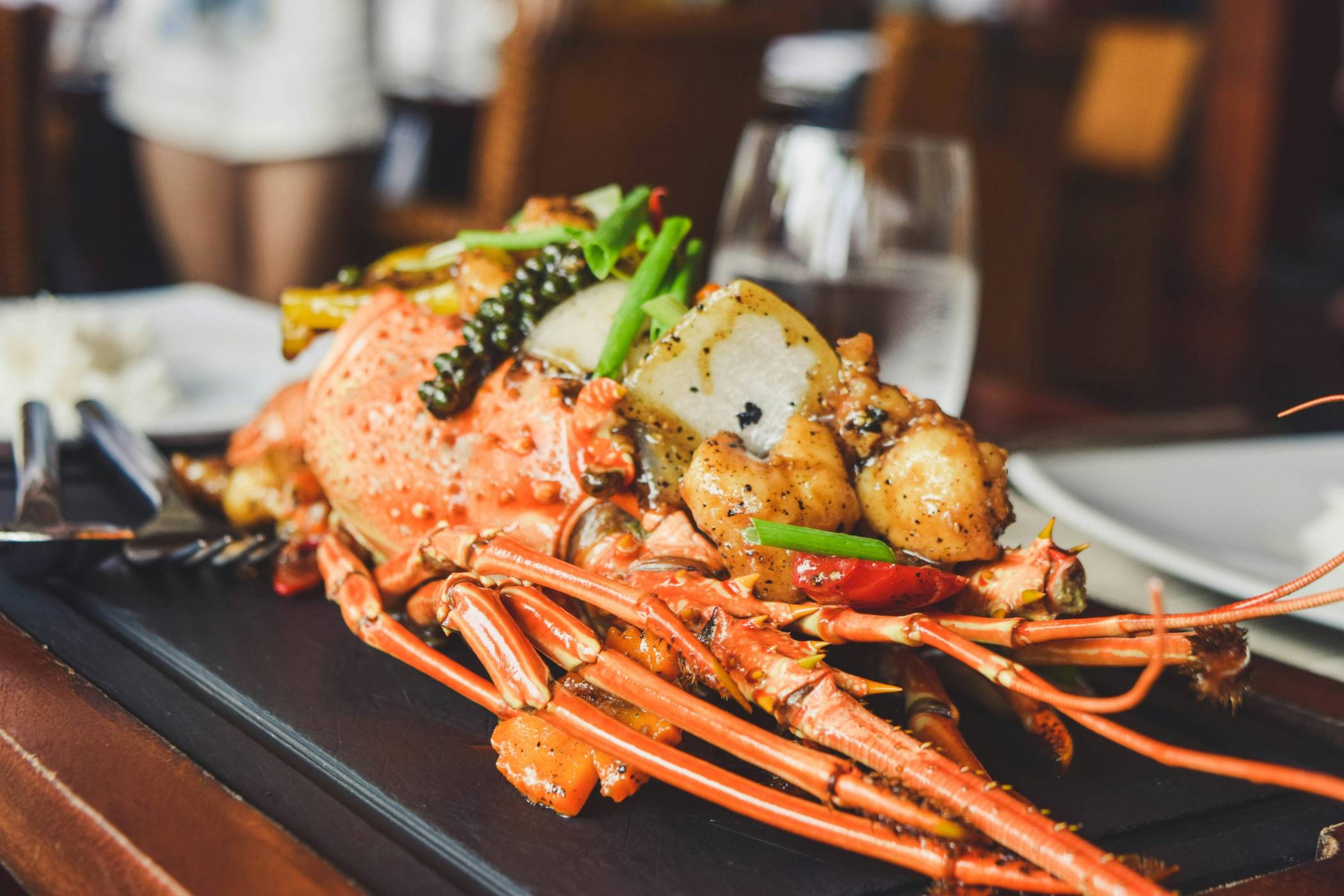
सागर के सच्चे प्रेमियों के लिए 3 जरूर ट्राई करने लायक लॉबस्टर डिशेस
समुद्री भोजन के प्रति गहरी पसंद रखने वालों के लिए, लॉबस्टर समुद्र से मिलने वाली भव्यता का शिखर है। इस सूची में हर एक व्यंजन एक अद्वितीय अनुभव का वादा करता है, जो पाक कला में लॉबस्टर की सार्थकता और बहुमुखिता को पकड़ता है। पारंपरिक तैयारी से लेकर नवाचारी मोड़ों तक, ये 3 लॉबस्टर डिशेज निश्चित रूप से इस शानदार क्रस्टेशियन के प्रति आपके उत्साह और प्रशंसा को जागृत करेंगी।
और पढ़ें »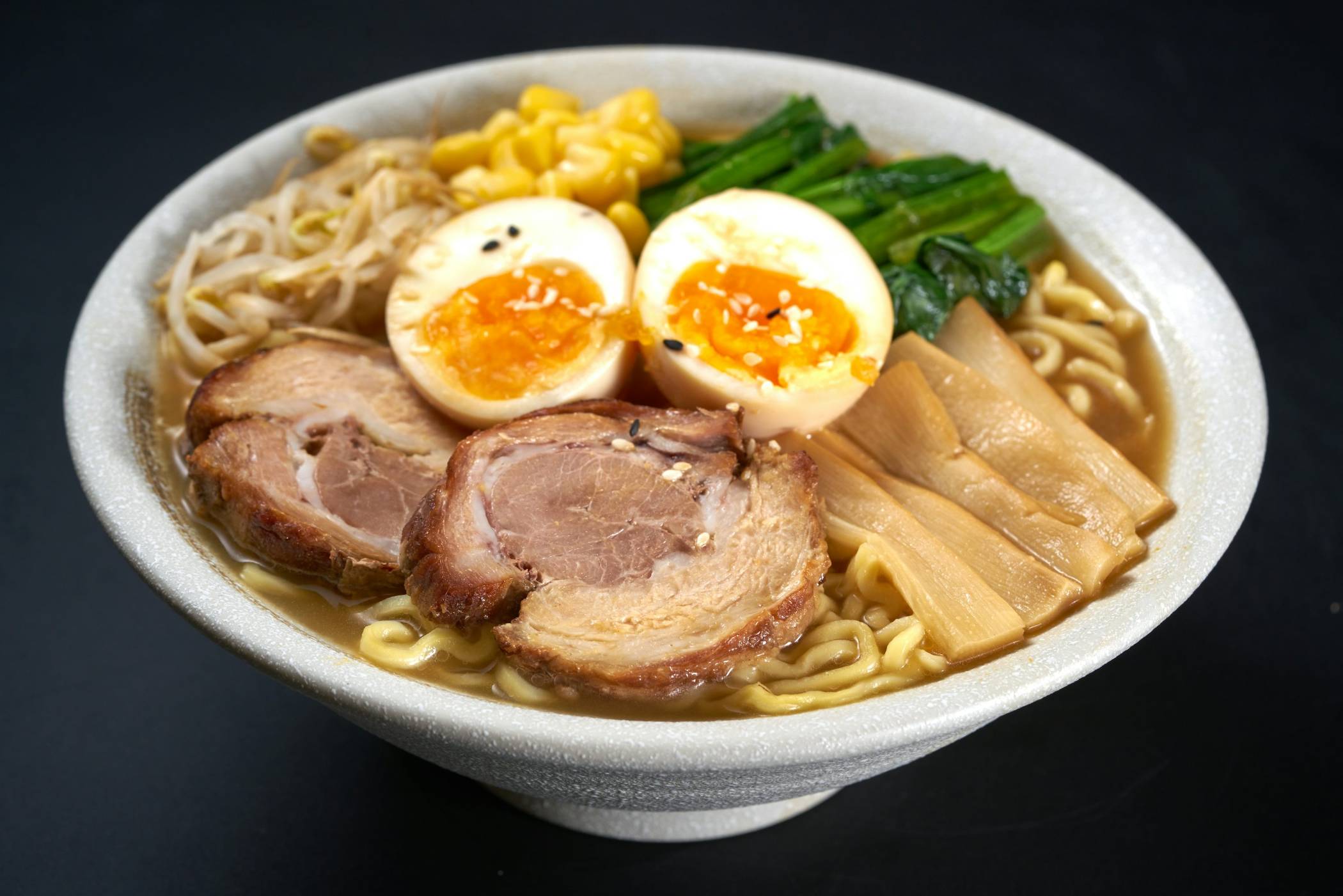
दुनिया की 3 सबसे स्वादिष्ट नूडल्स जिन्हें आपको जरूर आजमाना चाहिए
नूडल्स दुनियाभर की कई संस्कृतियों और रेसिपीज़ में एक मुख्य खाद्य पदार्थ हैं, जो विभिन्न प्रकार के स्वाद, बनावट और शैलियों में उपलब्ध होते हैं। भारी-भरकम, आरामदायक रामेन के कटोरों से लेकर नाजुक वर्मिसेली तक, हर किसी के लिए कोई न कोई नूडल डिश है। यहां दुनिया के 3 सबसे स्वादिष्ट नूडल्स की सूची दी गई है, जिन्हें आपको जरूर आजमाना चाहिए।
और पढ़ें »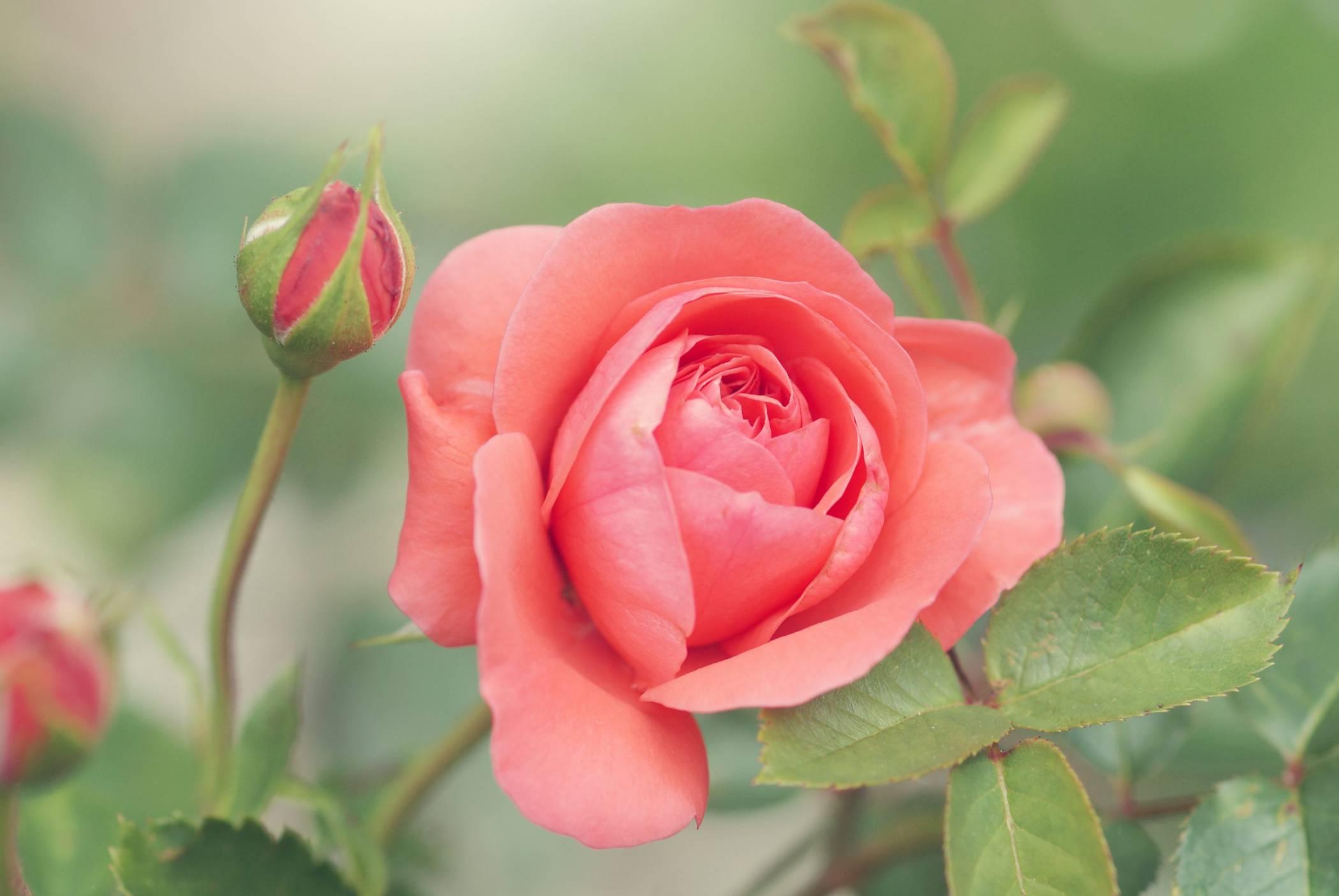
अपने बग़ीचे के लिए गुलाब के 3 प्रकार
गुलाब के विभिन्न प्रकार, जो कि रोसासी परिवार के सदस्य हैं, अब तक के सबसे लोकप्रिय फूलों वाले झाड़ियां हैं जो बागवानी में उपयोग की जाती हैं। रोसा जाति में 300 से अधिक प्रकार के लकड़ी के फूलों वाले बारहमासी पौधे शामिल हैं, और इन प्रजातियों के भीतर कई हजार गुलाब के प्रकारों का विकास किया गया है।
और पढ़ें »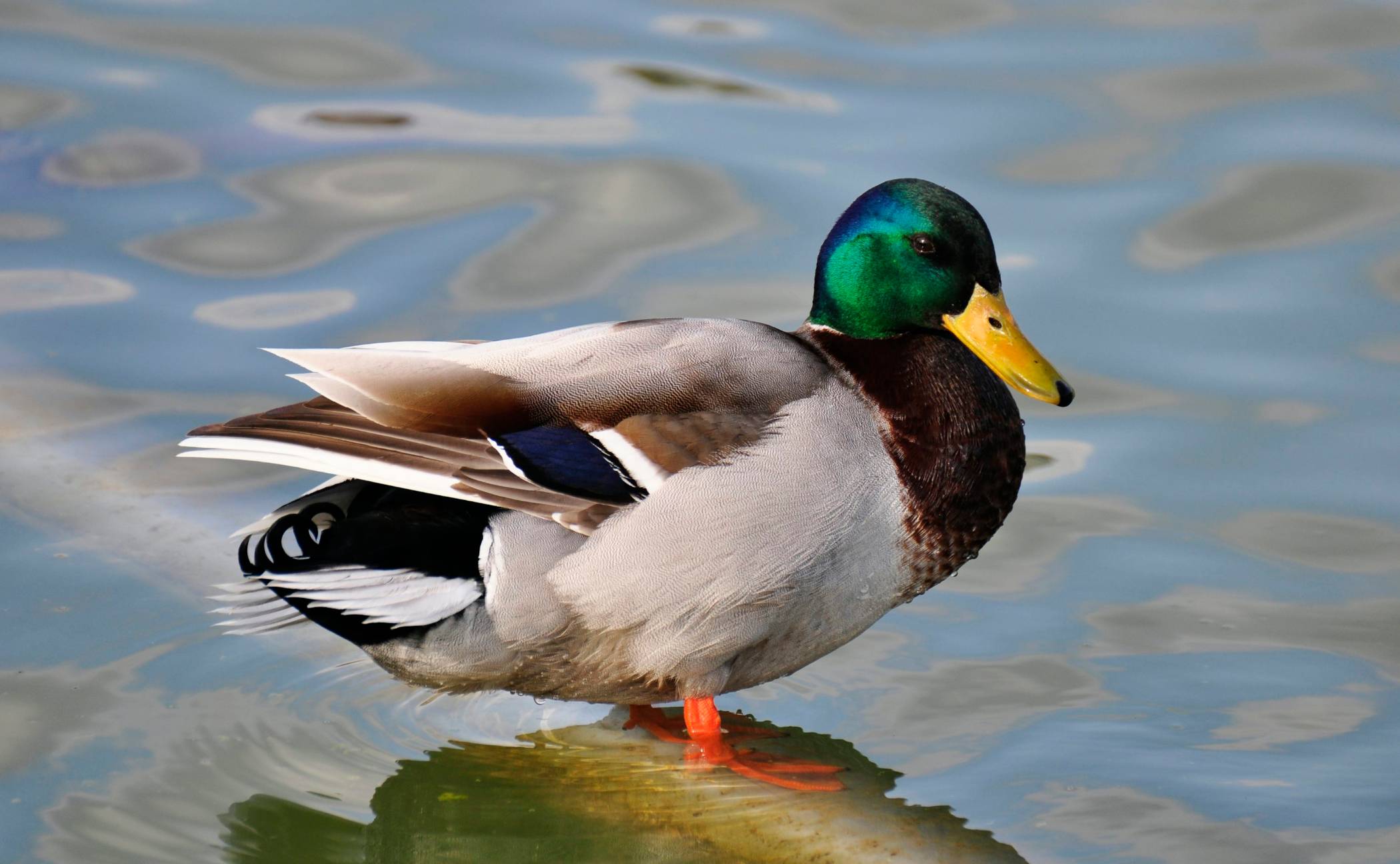
बत्तखों के बारे में 10 कमाल की बातें
बत्तख तालाब में आसानी से तैरती है, और पीछे हल्की लहरें छोड़ती है
और पढ़ें »
How to Draw an Orange Tabby Cat
Learn to draw a charming Orange Tabby Cat with easy-to-follow instructions and a helpful video tutorial. By following these simple steps, anyone—including beginners—can create a cute and accurate orange tabby cat illustration.
और पढ़ें »
फूलों की जलरंग चित्रकला
जलरंगों में फूलों की चित्रकारी करना प्रकृति से जुड़ने का एक सुकूनभरा और संतोषदायक तरीका है। यह आपको धीमा होने, ध्यानपूर्वक निरीक्षण करने और कागज़ पर रंगद्रव्य को बहते हुए देखने के सरल आनंद का अनुभव करने के लिए प्रेरित करता है।
और पढ़ें »