Botanical Insights on Fruits for Young Learners

फीचर

Botanical Insights on Fruits for Young Learners

In the field of botany—the science of plants—a fruit is a distinct plant structure that encases its seeds. For botanists, a fruit is strictly defined as developing from the ovary of a flower. You can think of the ovary as the flower’s chamber that holds the tiny, undeveloped seeds.

B

Bianca

संपादकीय डेस्क

संपादक की टिप्पणी

पूरा लेख नीचे जारी है।

सेक्शन

समाज और ट्रेंड

In the field of botany—the science of plants—a fruit is a distinct plant structure that encases its seeds. For botanists, a fruit is strictly defined as developing from the ovary of a flower. You can think of the ovary as the flower’s chamber that holds the tiny, undeveloped seeds.
Fruits typically feature an additional layer surrounding the seeds. This layer might be tender and moist, as in a plum, or firm and dry, like in an acorn. Interestingly, even experts in plant science sometimes debate the best way to classify fruits into categories!
In everyday language, especially in cooking, we often use the word “fruit” to refer to something sweet and succulent. However, many foods we label as vegetables—such as tomatoes and cucumbers—are considered fruits in botanical terms. On this page, we’ll look at what scientists mean by the word “fruit.”
The tender, edible portion of many fruits is known as the mesocarp. It lies between the outer skin (exocarp) and the inner seeds. For instance, the crisp, white part of an apple that we enjoy eating is its fleshy mesocarp.

Varieties of Fruits

Grapes are a kind of berry.
There are numerous fruit types, and botanists categorize them with specific names according to their structure and development.

Berry

A berry is a fruit that is almost entirely soft and fleshy, except for a delicate outer layer. Berries may contain one or several seeds. Consider grapes, avocados, and blueberries—each has a thin skin and a soft interior. Interestingly, strawberries are not true berries botanically, because their seeds are on the surface, whereas a true berry must enclose its seeds within.

Pepo

A pepo (pronounced PEE-poh) is a specialized type of berry. It possesses an especially tough and thick outer covering, often called a rind. Pumpkins and watermelons are common examples of pepos.

Hesperidium

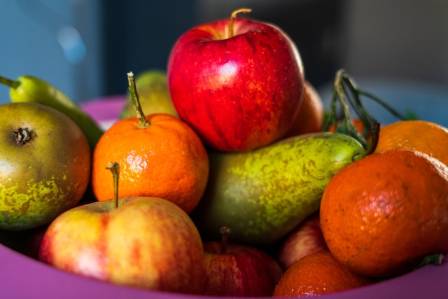
Citrus fruits such as oranges and lemons are hesperidiums.
A hesperidium (pronounced hess-per-ID-ee-um) is another modified berry. It has a leathery peel that is not as rigid as a pepo’s rind. All citrus fruits, including oranges, lemons, and grapefruits, fall into this category.

Pome

Pears feature a central core encased in edible flesh, classifying them as pomes.
A pome (pronounced POHM) is a fruit with a central core, which is surrounded by the fleshy part we consume. The core itself is usually not eaten. Apples and pears are well-known examples. Unlike berries, pomes keep their seeds inside a distinct core rather than dispersed throughout the flesh.

Drupe

The large, hard pit at the center of this peach protects a seed inside.
Drupes are commonly called stone fruits. A drupe is a fleshy fruit containing one hard stone or pit that surrounds the seed. Peaches and olives are classic drupes. You might be surprised to learn that almonds are also drupes—we eat the seed found inside their hard shell!

What Counts as a Fruit to Botanists?

Because fruits develop from fertilized flower ovaries, only flowering plants produce them. Fruits represent an ingenious adaptation plants have evolved to disperse their seeds, often with assistance from animals.
The botanical definition encompasses many items not typically regarded as “fruits” in the kitchen. For instance, many vegetables are scientifically fruits, such as squash, pumpkins, cucumbers, tomatoes, peas, beans, corn, eggplant, and bell peppers. Even certain spices, including allspice and chili peppers, are botanically fruits.

Accessory Fruits

A strawberry is an accessory fruit. The small "seeds" on its surface are actually individual tiny fruits, each derived from a small pistil in the flower.
An accessory fruit, also known as a false fruit, is one where part of the fleshy tissue comes from other floral parts in addition to the ovary.
For example, figs are accessory fruits. Pomes like apples and pears are also accessory fruits—the core forms the true fruit, while the delicious, juicy part we eat develops from adjacent floral tissues.

Structures That Resemble Fruits But Are Not

Some plant parts may appear fruit-like but are not botanical fruits:
Structures from non-flowering plants, such as juniper “berries.” These are actually the seed-bearing cones of conifer trees.
Fleshy, fruit-like growths that originate from plant parts other than the flower’s ovary, such as rhubarb stalks.

संबंधित कहानियाँ

Designing Your Outdoor Oasis: 8 Expert Tips for Selecting Patio Furniture

Designing Your Outdoor Oasis: 8 Expert Tips for Selecting Patio Furniture

Well-chosen patio furniture transforms a simple stone slab into a destination. With the right pieces, a porch can evolve into a second living room, and a small balcony can become a coveted retreat. To ensure your investment brings lasting comfort and style, consider these eight essential factors before you buy.

और पढ़ें »
दोपहर की चाय का मेन्यू तैयार करना

दोपहर की चाय का मेन्यू तैयार करना

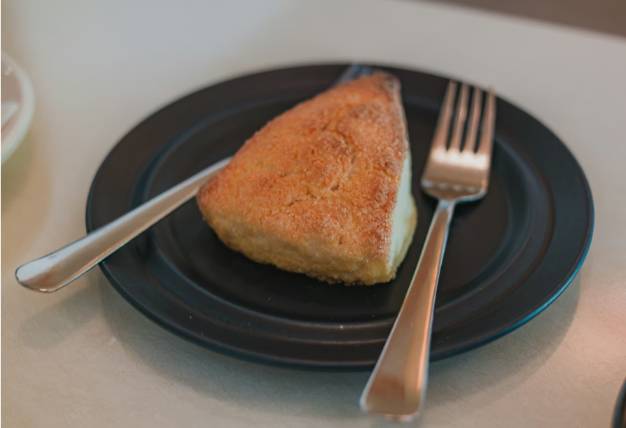
काले करंट का जैम और ताज़ा बेक किए गए स्कोन का क्लोज़-अप (यह भी देखें: “एक फॉन की दोपहर की चाय” और “टी सैंडविच तैयार करने की सलाह।” )

और पढ़ें »

3 Most Beautiful Cars Ever Designed That Showcase Art, Luxury, and Performance 的印地语翻译是: 14 सबसे सुंदर कारें जो कभी डिज़ाइन की गईं, जो कला, लग्जरी और प्रदर्शन को प्रदर्शित करती हैं।

3 Most Beautiful Cars Ever Designed That Showcase Art, Luxury, and Performance 的印地语翻译是: 14 सबसे सुंदर कारें जो कभी डिज़ाइन की गईं, जो कला, लग्जरी और प्रदर्शन को प्रदर्शित करती हैं।

गाड़ियों का विकास केवल कार्यात्मक मशीनों से लेकर अद्भुत कला के कामों तक एक अद्वितीय यात्रा रही है। प्रारंभिक कार मॉडलों में चिकनी गति के लिए वायुगतिकी को प्राथमिकता दी गई थी, लेकिन आज की गाड़ियाँ सौंदर्य और इंजीनियरिंग कौशल को जोड़ती हैं। यह लेख दुनिया की कुछ सबसे सुंदर गाड़ियों का अन्वेषण करता है, जो कालातीत क्लासिक्स से लेकर आधुनिक कृतियों तक हैं, प्रत्येक लक्ज़री और डिज़ाइन उत्कृष्टता का प्रतीक है।

और पढ़ें »

Gate to the Orient — LED Mesh Display

Gate to the Orient — LED Mesh Display

The Gate to the Orient LED Mesh Display blends striking visual impact with architectural sensitivity. Designed as a high-transparency façade system, it delivers brilliant LED imagery while preserving airflow and natural light. Lightweight and flexible, the mesh is ideal for large-scale installations where aesthetics, weight limits and visibility are priorities — from landmark towers and commercial facades to event backdrops and stage sets.

और पढ़ें »

रोमांच चाहने वालों का स्वर्ग: चरम प्रयास में प्रकृति की चुनौतियों का सामना करना

रोमांच चाहने वालों का स्वर्ग: चरम प्रयास में प्रकृति की चुनौतियों का सामना करना

यहाँ अनुभव की एक ऐसी दुनिया है जो सामान्य से परे है - एक ऐसी दुनिया जहाँ रोमांच चाहने वालों को स्वर्ग मिलता है - जहाँ जंगली जानवरों की पुकार हमारे बीच के साहसी लोगों को आकर्षित करती है। हमारे साथ जुड़ें और चरम साहसिक कार्य की रोमांचकारी दुनिया का अन्वेषण करें, जहां लोग आश्चर्यजनक चीजों की खोज में प्रकृति द्वारा उनके सामने डाली गई बाधाओं को बहादुरी से पार करते हैं। एक एड्रेनालाईन-पंपिंग सवारी के लिए तैयार हो जाओ।

और पढ़ें »

परिवहन की अगली पीढ़ी: 12 उभरती हुई परिवहन प्रौद्योगिकियां

परिवहन की अगली पीढ़ी: 12 उभरती हुई परिवहन प्रौद्योगिकियां

मानव आवागमन का स्वरूप एकीकृत, कार्बन-तटस्थ और स्वायत्त नेटवर्क की ओर अग्रसर हो रहा है। आने वाले दशक में, नवाचार दक्षता को प्राथमिकता देगा और नवीकरणीय ऊर्जा का उपयोग करके पारंपरिक आवागमन के सुलभ और किफायती विकल्प तैयार करेगा। इस विकास का उद्देश्य स्वायत्त हवाई टैक्सियों से लेकर उच्च गति वाली वैक्यूम ट्यूबों तक, "गतिशीलता-एक-सेवा" मॉडल को अपनाकर यात्रा संबंधी भीड़भाड़ और प्रदूषण को समाप्त करना है।

और पढ़ें »